Saturday Used to Belong to the Boss: The Textile Workers Who Accidentally Invented the Weekend
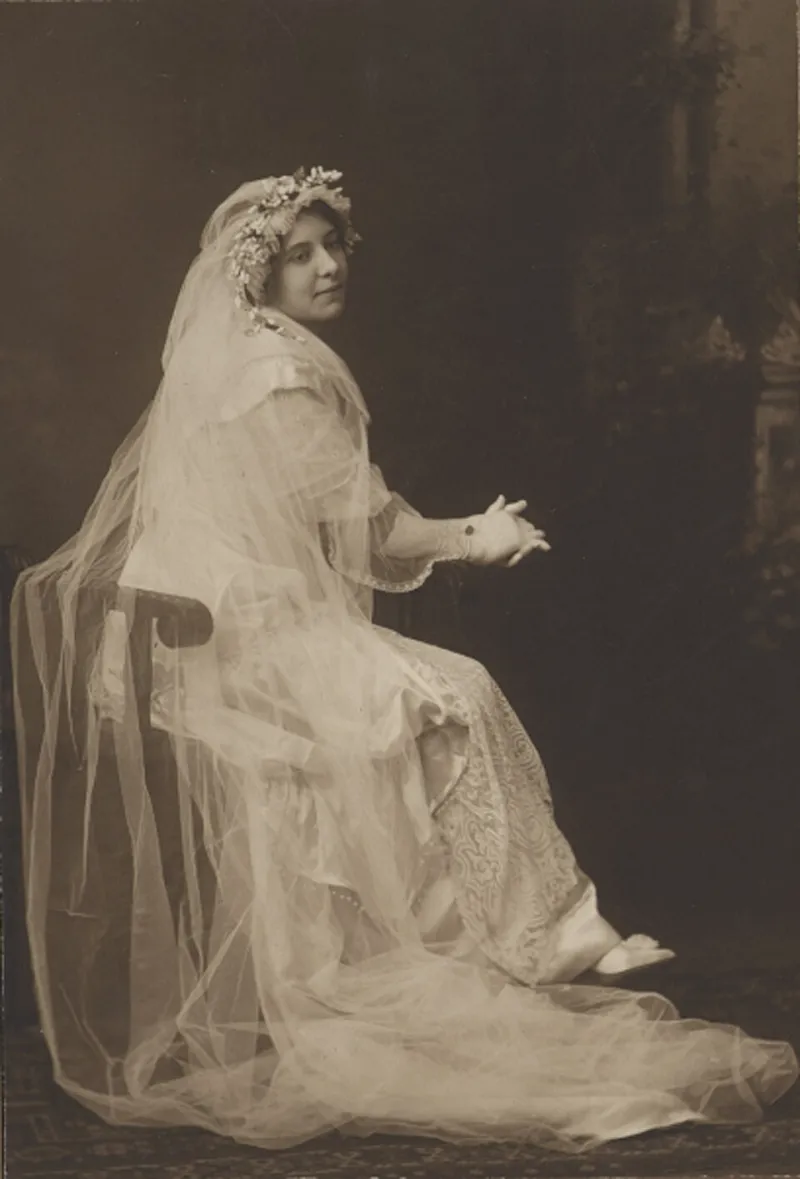
Photo: Smithsonian Institution, No restrictions, via Wikimedia Commons
You probably didn't think much about your Saturday morning. Maybe you slept in, made coffee, scrolled your phone. That quiet, unhurried feeling — the specific freedom of knowing the week hasn't started yet — felt like a birthright.
It isn't. Someone had to fight for it. And oddly enough, the fight didn't start as a fight at all.
Six Days Was the Default
For most of American industrial history, the standard workweek ran six days. Monday through Saturday, sometimes with a half-day on Sunday tacked on during busy seasons. Workers didn't get a say. Factories ran on the logic of maximum output, and rest was something you negotiated privately with exhaustion.
The idea of a five-day workweek wasn't just unpopular with employers — it was practically unimaginable. Time off cost money. Idle machinery was wasted machinery. The whole rhythm of industrial America was built around the assumption that labor was a resource to be extracted as continuously as possible.
So when a cotton mill in Lowell, Massachusetts made a quiet scheduling change in 1908, nobody expected it to echo for a century.
The Sabbath Problem
The Lowell mill had a specific workforce problem. A significant portion of its employees were Jewish immigrants who observed the Sabbath — which runs from sundown Friday to sundown Saturday. Working Saturday was a direct conflict with religious practice, and the workers had made that clear.
Management, facing the practical reality of a workforce that needed to be retained, made a pragmatic decision: close Saturday. Give those workers their Sabbath. Keep the peace.
It wasn't a political statement. It wasn't a labor victory. It was an accommodation — the kind of quiet institutional adjustment that happens every day in workplaces across the country and usually disappears without a trace.
Except this one didn't.
Henry Ford Picked Up the Thread
The Lowell mill's decision got noticed in circles that mattered. By 1926, Henry Ford — a man who understood the machinery of American consumer culture as well as anyone alive — made a move that shocked the industry. He announced that his Ford Motor Company plants would operate on a five-day, forty-hour week.
Ford's reasoning wasn't sentimental. It was economic. Workers who had leisure time, he argued, were workers who would spend money. They'd buy cars. They'd take drives. They'd need gasoline, restaurants, hotels. A rested workforce was a consuming workforce, and a consuming workforce was good for business.
His competitors thought he'd lost his mind. Within a decade, they were copying him.
The Government Made It Official
The real turning point came in 1938, when the Fair Labor Standards Act established the forty-hour workweek as the federal standard. Anything beyond that required overtime pay — a financial incentive for employers to stop scheduling workers on Saturdays just because they could.
Suddenly, the five-day week wasn't just a progressive gesture from a wealthy automaker. It was the law.
But here's what's easy to miss: the law didn't invent the concept. It codified something that had already been building for thirty years, tracing back through Ford's factories, through labor negotiations, through union campaigns — and all the way back to a textile mill's quiet decision to respect its workers' religious calendar.
What Saturday Actually Built
The cultural consequences of the two-day weekend are almost impossible to overstate.
The entire structure of American leisure — suburban parks, weekend road trips, Saturday morning cartoons, college football, backyard barbecues, the concept of the "weekend getaway" — all of it required Saturday to be available. None of it existed in its current form before workers had that day back.
Retail reshaped itself around weekend shopping patterns. Restaurants developed brunch. The entertainment industry built its release schedules — movies, music, sports — around the assumption that Americans were free on Saturdays and Sundays. The weekend didn't just give people time off. It gave American consumer culture its heartbeat.
Families reorganized around it too. The weekend became the unit of domestic life — the time when parents were home, when errands got done, when the rhythms of school and work paused long enough for something resembling ordinary life to happen.
The Forgotten First Bite
The Lowell mill workers who wanted their Sabbath back weren't trying to change America. They were trying to observe a tradition that predated the country by thousands of years. They wanted one day that belonged to something other than a factory floor.
What they got — what all of us got — was Saturday.
The next time you wake up on a weekend morning with nowhere you have to be, it's worth knowing that the feeling you're experiencing has a specific origin. It came from a labor accommodation in a Massachusetts cotton mill, passed through the logic of a car manufacturer, and landed in federal law — before becoming so embedded in American life that most people assume it was always there.
It wasn't. Someone had to take the first bite.