The Fortune Cookie Was Invented in San Francisco and Has Never Been to China
At the end of dinner at virtually any Chinese restaurant in America, a small cellophane-wrapped cookie appears on the table. You crack it open. You read the slip of paper inside. You eat the cookie or leave it. Maybe you add "in bed" to the end of the fortune. You've done this dozens of times, probably more, and at no point did you stop to wonder where the ritual came from.
It feels old. It feels imported. It feels like something with deep roots in Chinese culinary tradition.
It has none of those things. The fortune cookie is American, it's almost certainly Japanese in origin, and the version of history most people carry around about it is almost entirely invented.
The San Francisco Origin Story
The most credible evidence points to San Francisco's Japantown in the early 1900s. A Japanese immigrant named Makoto Hagiwara, who managed the Japanese Tea Garden in Golden Gate Park, is widely credited with serving fortune cookies to visitors around 1914. The cookies he offered resembled a traditional Japanese confection called tsujiura senbei — thin, folded wafers containing small paper fortunes — that had been made in Kyoto temples for centuries.
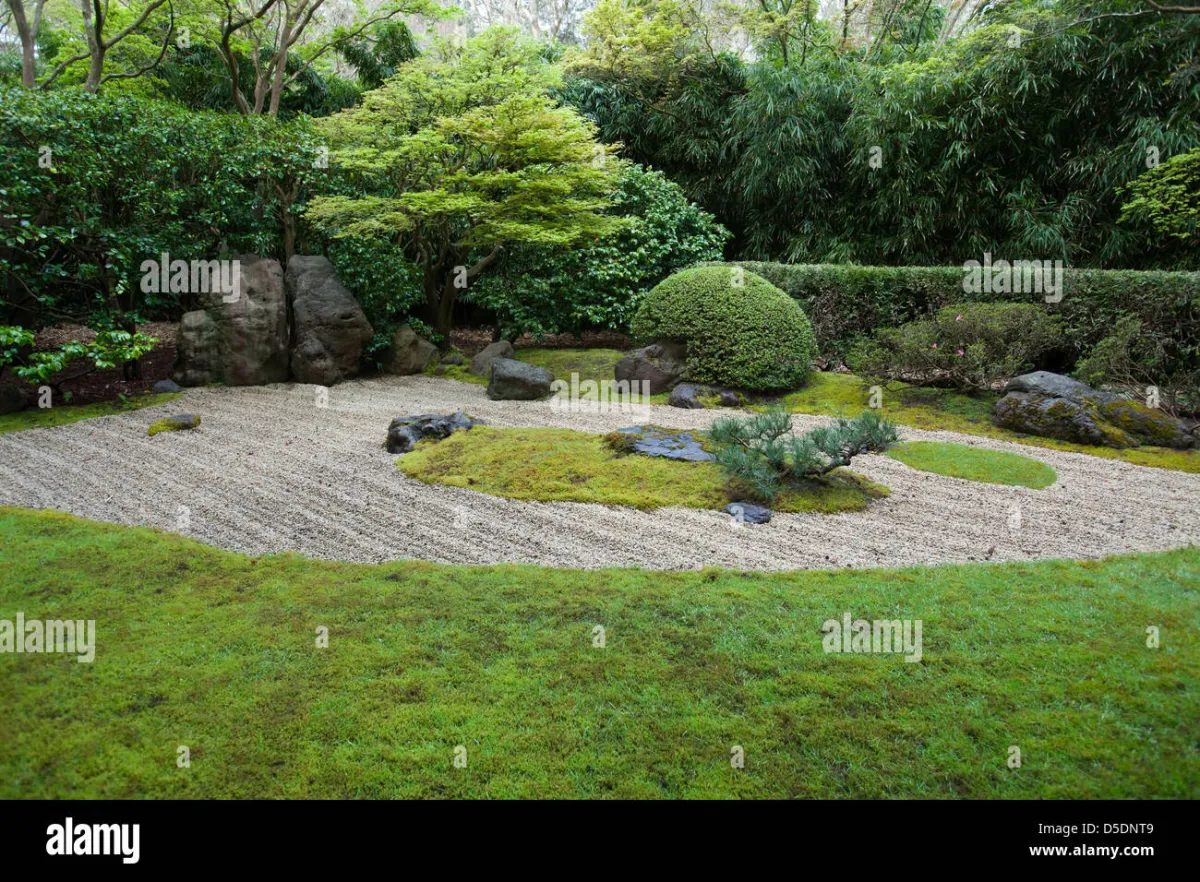 Photo: Makoto Hagiwara, via c8.alamy.com
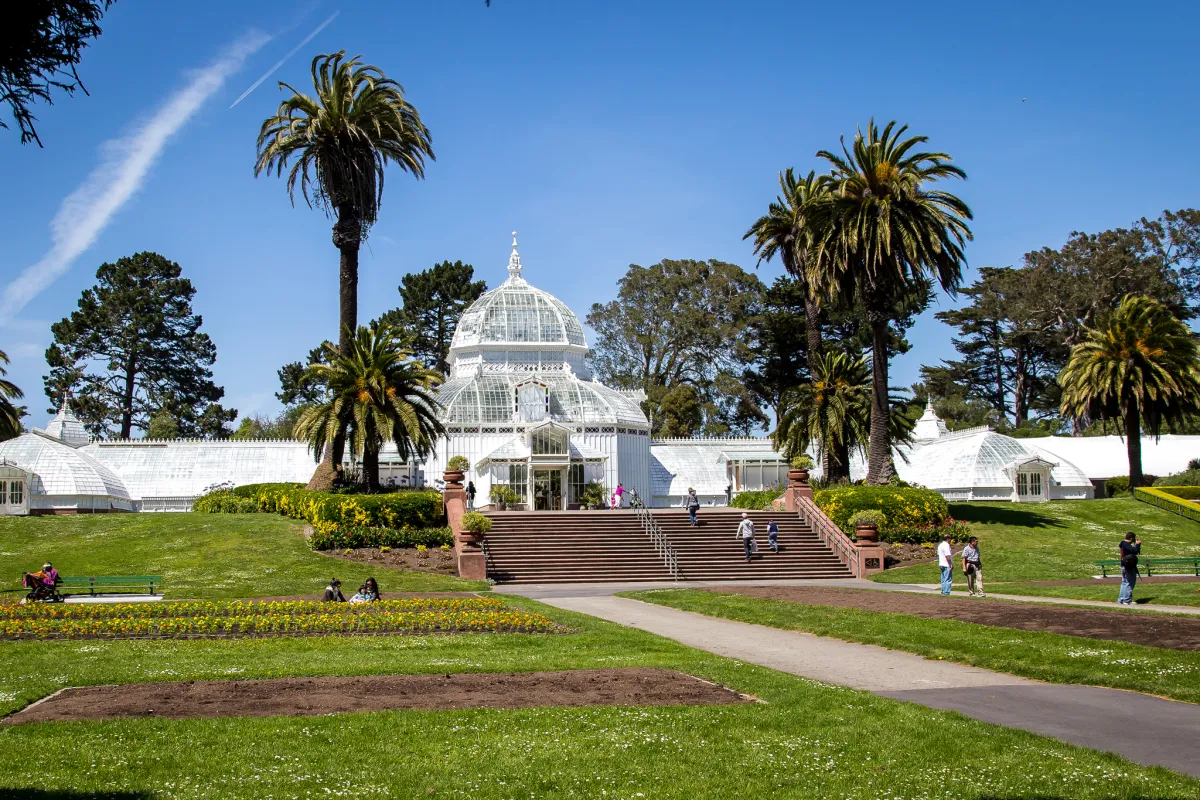 Photo: Golden Gate Park, via media.timeout.com
Hagiwara's cookies were made for him by a local Japanese bakery called Benkyodo, which is still operating in San Francisco today. The connection to Japanese culinary tradition is direct and documented. The connection to Chinese culinary tradition is essentially nonexistent.
A competing claim comes from David Jung, a Chinese immigrant who founded the Hong Kong Noodle Company in Los Angeles around 1918. Jung's family maintains that he invented the fortune cookie independently, distributing them on the streets with inspirational Bible verses tucked inside. A 1983 mock trial in San Francisco's Federal Building — yes, this dispute was serious enough for a mock trial — ruled in favor of Hagiwara, though Los Angeles has never fully accepted the verdict.
How Chinese Restaurants Inherited Someone Else's Cookie
The fortune cookie's migration from Japanese to Chinese culinary identity happened in stages, and World War II accelerated it dramatically.
Before the war, both Japanese and Chinese restaurants in California served fortune cookies, and the cookies weren't particularly associated with either culture in most Americans' minds. They were a California thing — a West Coast novelty that hadn't yet spread nationally.
When the US government interned Japanese Americans following Pearl Harbor in 1942, Japanese-owned businesses — including bakeries — were shuttered almost overnight. The fortune cookie supply gap was filled almost entirely by Chinese-owned bakeries, who had been producing the cookies alongside their Japanese counterparts and were now the only ones left operating. By the time Japanese American bakers returned to their businesses after the war, the association between fortune cookies and Chinese restaurants had solidified in the public mind.
It was a quiet, painful, historically contingent transfer of cultural ownership — and most Americans who crack open a fortune cookie today have no idea it happened.
The Factory That Feeds the Country
The fortune cookie remained a regional California phenomenon through the 1940s and into the 1950s. What nationalized it was the postwar boom in Chinese-American restaurants.
As American cities expanded and suburban dining culture took hold, Chinese restaurants spread rapidly across the country. Owners who had learned the business in California brought their menus — and their end-of-meal cookie habit — with them. By the 1960s, the fortune cookie was appearing on tables from Boston to Dallas, and most diners assumed it was as authentically Chinese as egg rolls and fried rice (which are also American inventions, but that's a different story).
The industry that grew up around the cookie is staggering in scale. A single company — Wonton Food Inc., based in Brooklyn, New York — currently produces over four billion fortune cookies annually. They employ a small team of writers to generate fortunes, run them through focus groups, and retire phrases that test poorly. The messages that feel spontaneous and personal are actually the product of a deliberate editorial process managed out of a factory in Bushwick.
The fortune cookie machine itself is a marvel of mid-century automation. Thin discs of batter are baked on a rotating griddle, a slip of paper is placed in the center while the cookie is still warm and pliable, and then a mechanical arm folds the cookie into its signature shape in under a second. The whole process happens at a rate of thousands of cookies per minute.
A Tradition That Built Itself
What makes the fortune cookie story genuinely fascinating isn't the disputed origin — it's the speed and completeness with which a regional novelty became a national expectation.
Ask most Americans what happens at the end of a Chinese restaurant meal and they'll tell you: you get a fortune cookie. They'll say it with the same confidence they'd use to describe any long-standing tradition. The fact that the cookie has no Chinese origin, that it was invented by Japanese immigrants in San Francisco, that it became Chinese-American through the specific historical tragedy of wartime internment — none of that is part of the story most people tell themselves.
China itself has largely rejected the fortune cookie. When Wonton Food attempted to expand into the Chinese market in the 1990s, the response was politely baffled. Chinese consumers had no frame of reference for the product and no particular desire to develop one.
The fortune cookie is American in the fullest sense of the word: assembled from immigrant ingenuity, shaped by historical accident, nationalized through commerce, and now so deeply embedded in the culture that questioning it feels almost rude.
Crack one open tonight. The fortune inside was written by a committee in Brooklyn. The cookie was invented in San Francisco. And somewhere in Kyoto, a temple has been folding paper into rice wafers for a very long time, completely unaware that it started all of this.