Before It Was a Lunchbox Staple, Peanut Butter Was Carnival Food
Photo: Steve Shook from Moscow, Idaho, USA, CC BY 2.0, via Wikimedia Commons
There is a jar of peanut butter in approximately 90 percent of American homes right now. It sits in the pantry like a piece of furniture — expected, unremarkable, permanent. Most people have no memory of learning to eat it. It was simply always there.
But peanut butter wasn't always there. And the place it first made its public appearance wasn't a kitchen or a grocery aisle. It was a fairground.
The Nut That Was Everywhere Except the Pantry
Peanuts themselves have a long American history. They were cultivated in South America for thousands of years before European contact, brought through Africa during the slave trade, and grown extensively in the American South by the 19th century. Soldiers on both sides of the Civil War ate them. Street vendors sold roasted peanuts in cities across the country.
 Photo: American South, via i.etsystatic.com
 Photo: South America, via www.worldmap1.com
But eating a whole peanut and eating ground peanut paste are different propositions, and for most of American history, the paste form simply wasn't part of the mainstream diet. A few patents for ground peanut preparations appeared in the late 19th century — the most frequently cited is a Canadian patent from 1884, with various American claims following — but these were largely marketed as health products for people with digestive difficulties who couldn't chew solid food.
The idea of spreading ground peanuts on bread as a casual, everyday food hadn't landed yet. It needed an introduction — and that introduction came from one of the most effective marketing environments in American history: the fairground midway.
The World's Fair Gave It a Stage
The 1904 World's Fair in St. Louis is where many food historians point when tracing peanut butter's public debut. The fair was a massive event — nearly 20 million people attended over the course of several months — and it served as a showcase for new foods, new products, and new ideas about what Americans might want to eat.
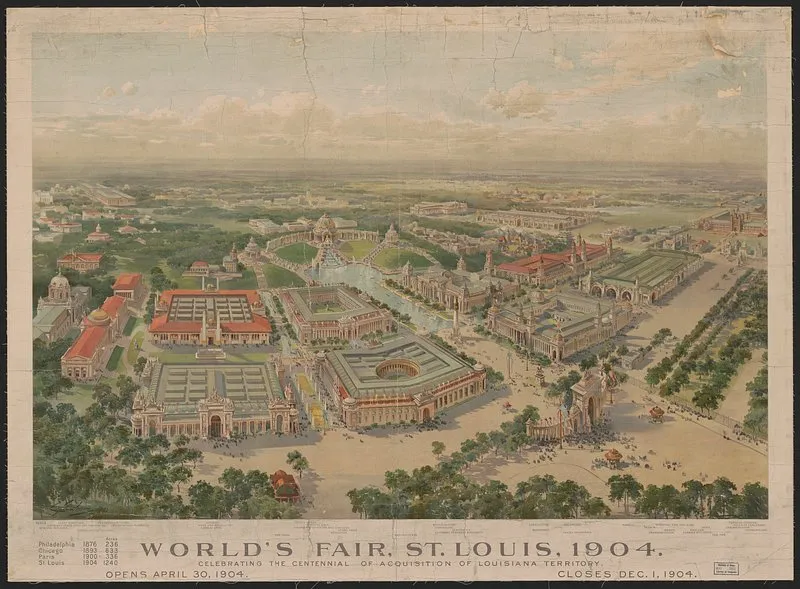 Photo: 1904 World's Fair in St. Louis, via images.rawpixel.com
Concession vendors at the fair were constantly looking for crowd-pleasing novelties, and ground peanut paste fit the profile neatly. It was cheap to produce, easy to serve, visually interesting, and had a rich, savory flavor that registered immediately with fairgoers who had never encountered it before. Vendors offered it as a spread or a dip, something to sample rather than something to take home.
The fair context mattered enormously. People at a world's fair are in a particular mental state — they're there to be surprised, to try things they wouldn't normally encounter, to have their assumptions about the world gently expanded. Peanut butter landed in that receptive environment and made a strong first impression.
The Circus Connection
World's fairs were major events, but they weren't the only place Americans encountered peanut butter in its early years. Traveling circuses and carnival food vendors played an equally important role in spreading familiarity with the product.
Circus culture in the late 19th and early 20th centuries was one of the primary ways that new foods — and new ideas about food — moved across the country. Peanuts were already deeply embedded in circus culture; the image of roasted peanuts and the circus is so intertwined it's practically a cliché. Vendors who were already selling roasted peanuts to crowds had both the ingredient and the audience to experiment with ground preparations.
Peanut butter as a concession item appeared at various traveling shows and regional fairs throughout the early 1900s, each encounter giving another crowd of Americans their first taste. These weren't people reading a health pamphlet about the nutritional value of legumes. They were people at a show, hungry, surrounded by interesting smells, willing to try something new because the atmosphere made novelty feel exciting rather than risky.
That's a profoundly different introduction than finding a new product on a grocery shelf.
The Grocery Store Came Later
The transition from fairground curiosity to pantry staple required a few additional pieces to fall into place. Commercial production needed to scale up. Packaging needed to improve — early ground peanut products separated quickly and had a short shelf life. And Americans needed enough repeated exposure to the taste that they'd think to seek it out on their own.
That process took decades. By the 1920s and 1930s, companies like Skippy and Peter Pan were beginning to produce stabilized peanut butter that could sit on a shelf without separating, making it genuinely practical as a grocery item. The Great Depression accelerated adoption — peanut butter was cheap, calorie-dense, and filling, qualities that mattered enormously when household budgets were under severe pressure.
World War II finished the job. Meat was rationed, protein was precious, and peanut butter was neither restricted nor expensive. It went into soldiers' rations. It went into school lunches. By the time the war ended, an entire generation had grown up eating it, and the lunchbox association — peanut butter and jelly sandwiches as a childhood staple — was cemented.
Entertainment Built the Habit First
What's easy to miss in the peanut butter story is how much of its eventual success depended on those early fairground encounters. The grocery store and the wartime ration didn't introduce peanut butter to America — they scaled something that had already been introduced, through a very different channel, by vendors who were thinking about crowds and novelty rather than nutrition and shelf stability.
American food culture has a long history of working this way. Street food, fair food, carnival food — these spaces have repeatedly served as testing grounds where unfamiliar flavors get their first real audience. The kitchen comes later. The pantry comes after that.
The jar sitting in your cabinet right now has a wilder origin story than its label suggests. It started on a midway, held by someone who'd never heard of a lunchbox, watching a crowd of fairgoers try something strange and surprising for the very first time.