How Wartime Rationing Quietly Rewired What Americans Drink After Work
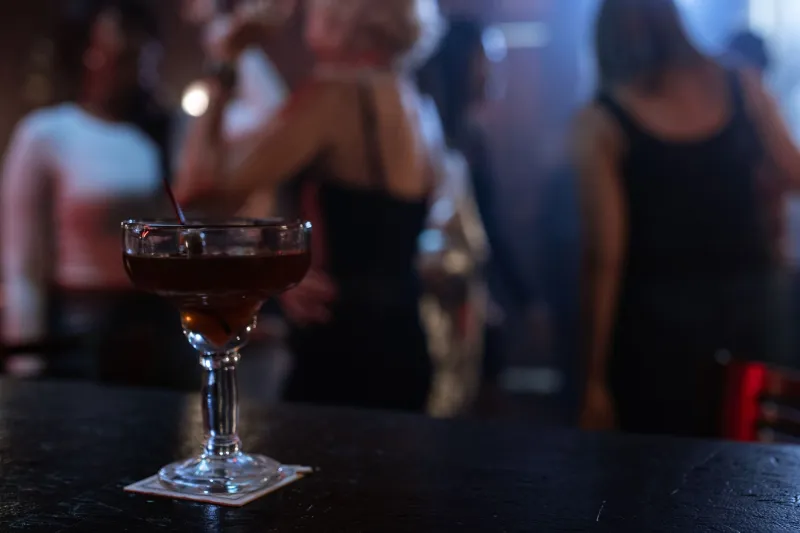
Picture a bartender in 1943, standing behind a well-stocked bar that's suddenly not so well-stocked. The whiskey bottles are getting sparse. The rye is nearly gone. And the customers still want something in their glass after a long shift at the factory.
What happened next wasn't a culinary revolution anyone planned. It was a supply chain problem — and the fix that bartenders improvised in those lean years quietly became the foundation of how Americans drink today.
The Government Took the Grain
When the United States entered World War II after Pearl Harbor, the federal government moved fast to redirect resources toward the war effort. One of the less-celebrated casualties of that pivot was American whiskey production.
Distilleries that had spent decades perfecting bourbon, rye, and blended whiskey were ordered to convert their operations. Instead of producing spirits for civilian consumption, they were tasked with manufacturing industrial alcohol — used for everything from synthetic rubber to explosives. By 1942, most major distilleries had effectively stopped making drinkable whiskey altogether.
The whiskey already sitting in barrels and on shelves didn't disappear overnight, but it drained steadily. By the mid-war years, American bars were running low on the spirit that had defined the country's drinking identity for over a century.
The Spirits That Filled the Gap
Bartenders and bar owners needed solutions, and they needed them quickly. Two alternatives were available in relatively decent supply: rum, which could be imported from Caribbean producers less affected by wartime grain restrictions, and vodka, a spirit that had existed mostly at the fringes of American drinking culture up to that point.
Rum had some American history — it had been enormously popular in colonial times before whiskey took over. Vodka, however, was a harder sell. Most Americans in the 1940s associated it vaguely with Russia and had little reason to order it. It was nearly flavorless, which many drinkers initially found underwhelming.
But that neutrality turned out to be a quiet superpower. Vodka mixed well with almost anything. It didn't clash with citrus, it didn't overpower ginger beer, and it let bartenders build entirely new flavor profiles that whiskey's stronger character would have dominated.
Drinks like the Moscow Mule — a combination of vodka, ginger beer, and lime — started appearing behind American bars during the war years, partly as clever marketing by a vodka importer looking to move product, and partly because bartenders genuinely needed something new to offer. It worked. Customers ordered it. Then they ordered it again.
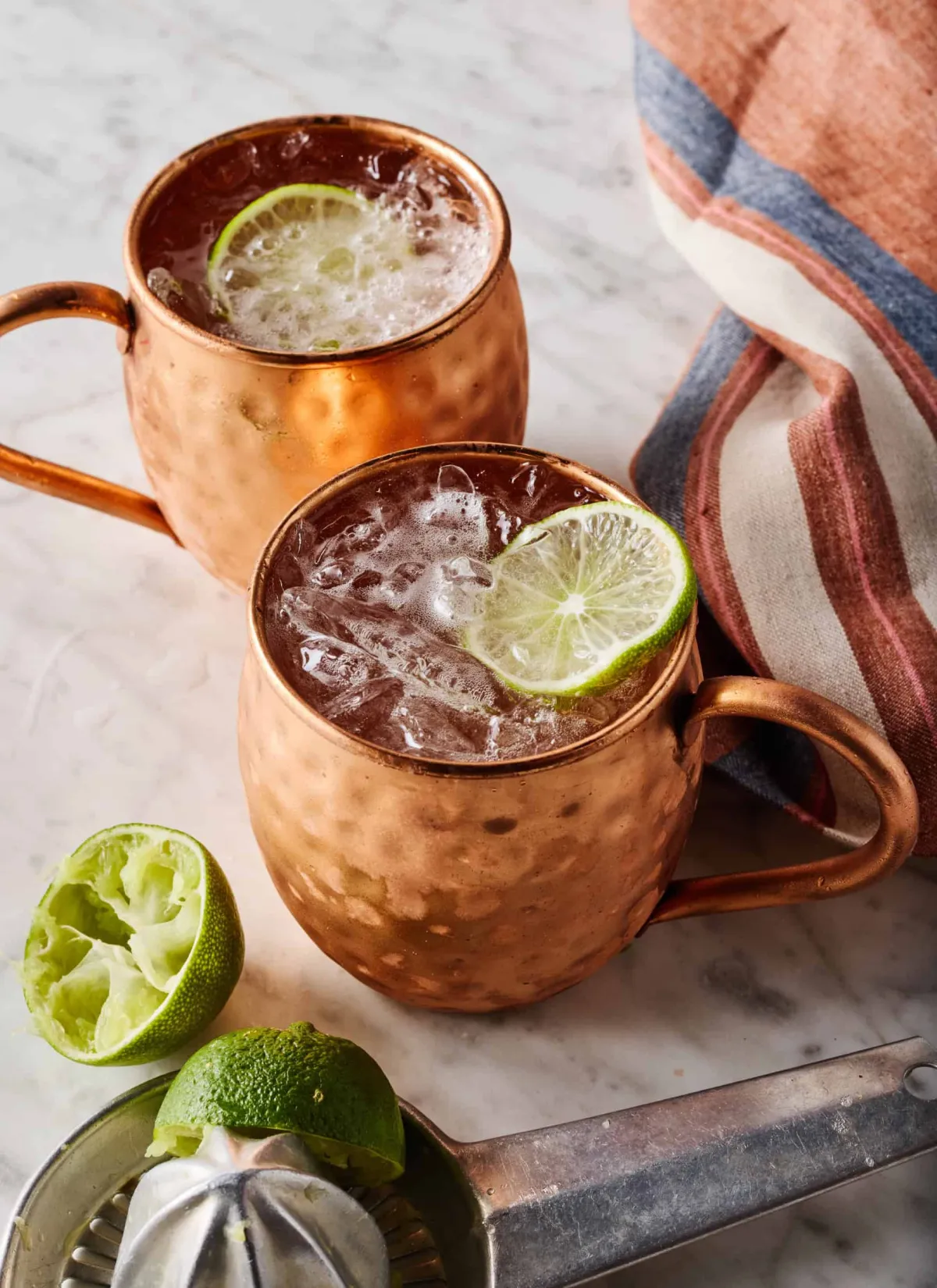 Photo: Moscow Mule, via cdn.loveandlemons.com
When the War Ended, the Habits Stayed
Here's the part that surprises most people: when American distilleries came back online after the war, whiskey didn't simply reclaim its throne. The drinking public had spent several years getting comfortable with vodka and rum-forward cocktails, and a meaningful portion of them had no particular desire to go back.
The cocktail culture that emerged in the late 1940s and through the 1950s was noticeably different from what had existed before the war. Mixed drinks built around lighter, more neutral spirits became fashionable in a way they never had been. The martini — traditionally gin-based — started getting ordered with vodka. Rum drinks that might have felt exotic in 1938 were perfectly ordinary by 1950.
American tastes had been nudged by necessity, and once nudged, they didn't fully return.
Scarcity as a Cultural Architect
There's a pattern here that shows up repeatedly in American food and drink history: the things we think of as timeless preferences often have surprisingly practical origins. Americans didn't choose vodka cocktails because of some deep cultural affinity or refined palate. They chose them because the bartender was out of whiskey.
The same logic applies to rum's Caribbean-influenced boom during the mid-century, and to the proliferation of cocktail culture in general. When the familiar option disappears, people adapt — and sometimes the adaptation turns out to be more durable than the original habit.
Food historians often note that scarcity functions as an accidental innovator. It forces experimentation that would never happen under normal conditions, and occasionally those experiments land so well that they outlast the crisis that created them.
The Bar Menu You Know Was Built on a Shortage
Next time you order a vodka soda, a Moscow Mule, or a rum-and-something at a bar, you're participating in a tradition that traces back — at least in part — to a federal rationing decision made during a world war.
The modern American cocktail bar, with its emphasis on mixed drinks, light spirits, and endlessly creative combinations, didn't emerge from a golden age of leisure and refinement. It emerged from a shortage. From bartenders improvising. From customers making do.
And making do, it turned out, tasted pretty good.
The first sip of something unfamiliar is often the hardest. But sometimes a wartime grain order is all it takes to make that sip feel completely natural — generation after generation after generation.