How Maritime Disasters Decided What Spices Americans Would Taste for 200 Years
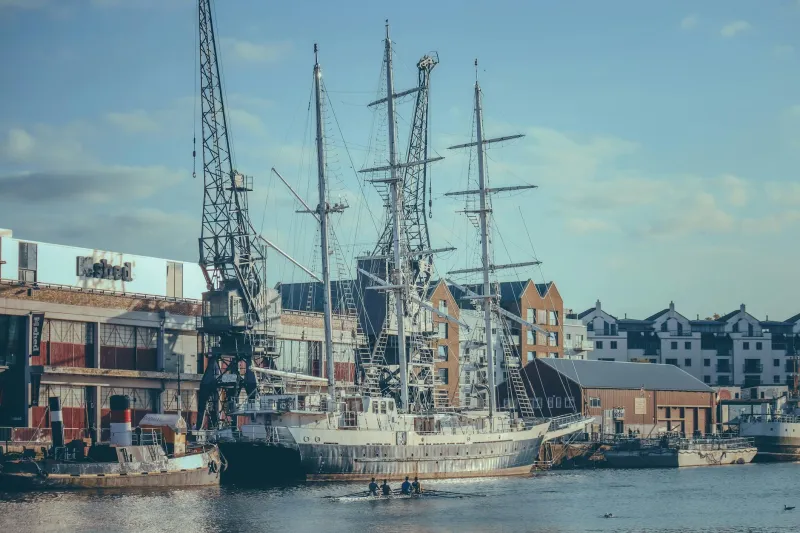
The Spice Ships That Never Made It
In 1629, the Dutch trading vessel Batavia sank off the coast of Australia, taking with it 40 tons of nutmeg, cinnamon, and black pepper destined for European markets. Three years later, a Spanish galleon loaded with saffron and exotic Asian spices went down in a hurricane off the Florida coast. These weren't isolated incidents — they were part of a pattern that would quietly determine what flavors ended up in American kitchens for the next two centuries.
Before refrigeration made fresh herbs widely available, American households depended entirely on dried spices that could survive long ocean voyages. But which spices made it to American ports had less to do with culinary preference and more to do with which ships actually completed their journeys.
When Disasters Rerouted Entire Trade Networks
The most dramatic example happened in 1641, when Dutch and Portuguese naval conflicts in the Indian Ocean effectively shut down the cardamom and star anise trade for nearly a decade. Ships carrying these spices were either captured, sunk, or forced to avoid traditional shipping routes entirely.
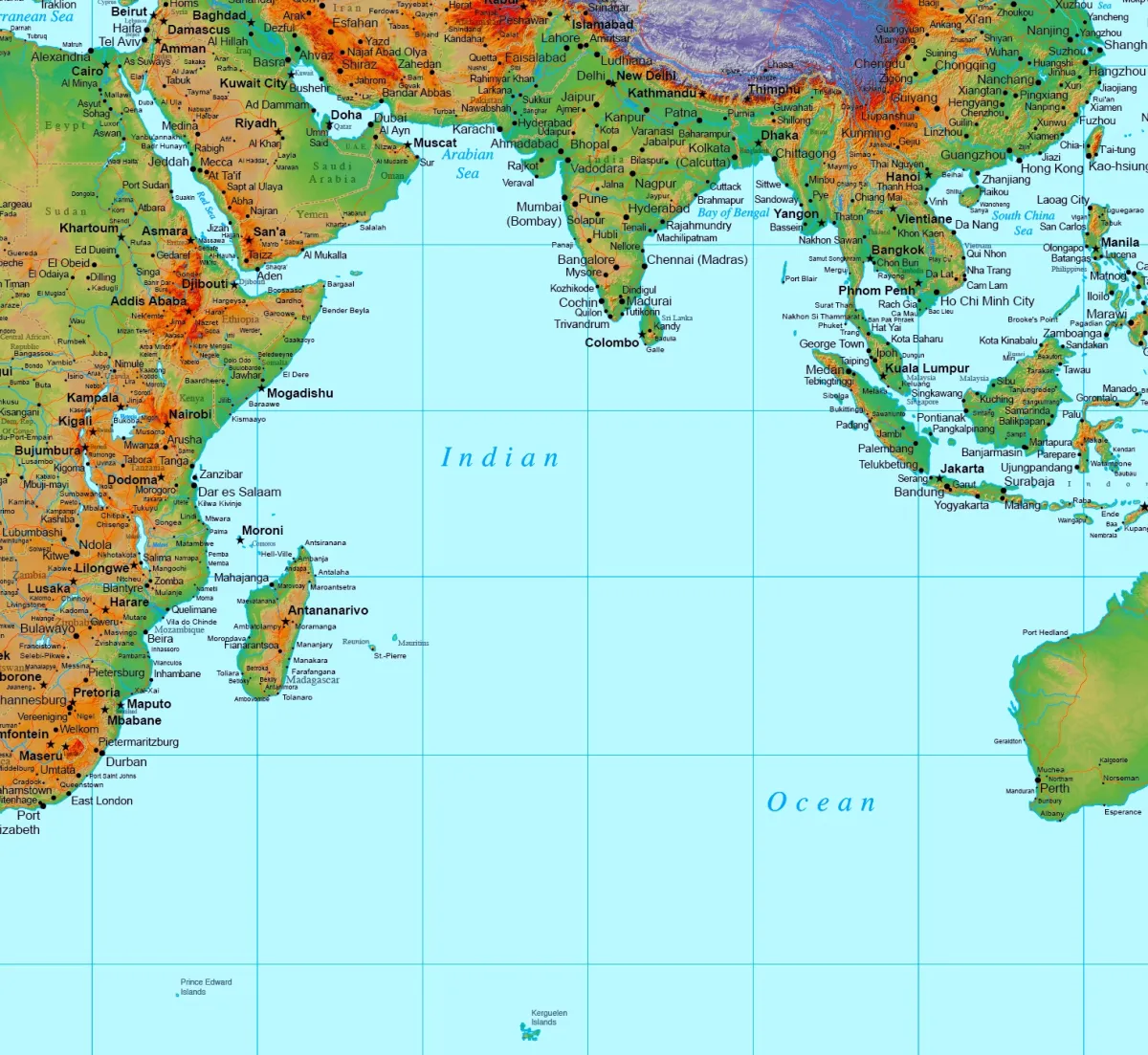 Photo: Indian Ocean, via ontheworldmap.com
American colonists, who had been gradually incorporating these spices into their cooking, suddenly found them unavailable at any price. Colonial cooks had to adapt their recipes to work with whatever spices were still making it through: black pepper, cinnamon, ginger, and cloves.
This wasn't a temporary adjustment. By the time the trade routes reopened, American palates had adapted to a specific flavor profile. Recipes that had been modified during the spice shortage became the new standard. Entire regional cooking traditions developed around the spices that happened to be available during those critical years.
The Salvage Culture That Built American Flavor
Shipwrecks didn't just remove spices from the market — they also created unexpected abundance. When trading vessels went down in shallow waters near colonial ports, salvage operations often recovered damaged but usable cargo.
Salvaged spices sold for a fraction of normal prices, but they came in whatever combinations happened to be on the wrecked ships. A single salvage operation might flood a colonial market with cinnamon and nutmeg while leaving ginger completely unavailable.
Colonial merchants learned to buy whatever salvaged spices they could get, regardless of what they'd originally planned to stock. Households adapted their cooking to work with whatever was affordable and available. Over time, these accident-driven spice combinations became traditional American flavor profiles.
The Insurance Records That Tell the Real Story
Maritime insurance records from the 1600s and 1700s reveal just how dramatically shipping disasters shaped spice availability. Lloyd's of London, the famous maritime insurer, documented hundreds of spice ship losses during this period.
 Photo: Lloyd's of London, via c8.alamy.com
Certain spices — particularly those that were light, valuable, and prone to spoilage — were disproportionately affected by shipping problems. Saffron, for example, was so valuable that it was often stored in ships' most secure compartments, which made it more likely to go down with the ship during disasters.
Meanwhile, hardier spices like black pepper and cinnamon bark were more likely to survive partial shipwrecks and salvage operations. They were also more likely to be carried on multiple ships, reducing the impact when individual vessels were lost.
Regional American Cuisines Born from Maritime Accidents
The spice shortages and surpluses created by shipping disasters had lasting regional impacts. New England's preference for warming spices like cinnamon, nutmeg, and cloves traces back to a 1650s period when these were among the few spices consistently making it through maritime trade disruptions.
Southern colonial cooking, meanwhile, developed around a different set of available spices — partly because Southern ports had different salvage opportunities and partly because they developed trade relationships with different shipping networks after major maritime disasters disrupted established routes.
Even today, you can trace regional American spice preferences back to colonial-era shipping patterns that were shaped by maritime disasters. The spices that became "traditional" in different regions weren't chosen for their cultural significance — they were simply the ones that happened to be available during crucial periods when cooking traditions were being established.
The Pepper Trade That Survived Everything
One spice managed to maintain consistent availability despite maritime disasters: black pepper. This wasn't because pepper ships were safer — it was because pepper was valuable enough to justify multiple shipping routes and hardy enough to survive partial salvage operations.
Pepper's reliability during the colonial period made it the foundation spice for American cooking. While other spices came and went based on shipping luck, pepper remained constant. This is why black pepper became so central to American cuisine that it's still automatically provided at restaurant tables today.
When the Spice Routes Finally Stabilized
By the mid-1700s, maritime technology and navigation had improved enough that spice shipping became more reliable. But by then, American taste preferences had already been established by two centuries of accident-driven spice availability.
The spices that had survived the maritime disaster period — black pepper, cinnamon, nutmeg, cloves, and ginger — remained the core of American cooking even when more exotic options became available. Families passed down recipes that had been adapted to work with "disaster spices," and these became the foundation of what we now consider traditional American flavors.
The Legacy in Your Spice Cabinet
Look at any typical American spice rack today, and you're seeing the descendants of colonial-era maritime accidents. The "basic" spices that most American cooks consider essential — the ones that show up in apple pie, pumpkin spice, and classic American baking — aren't basic because they're the best or most flavorful options available.
They're basic because they were the survivors. They made it through centuries of shipwrecks, trade wars, and maritime disasters to establish themselves as the flavors of American home cooking.
The next time you reach for cinnamon or black pepper, remember: you're tasting the legacy of ships that made it to port, and the absence of flavors from ships that didn't.