The Devil's Dining Tool: When America Declared War on the Fork
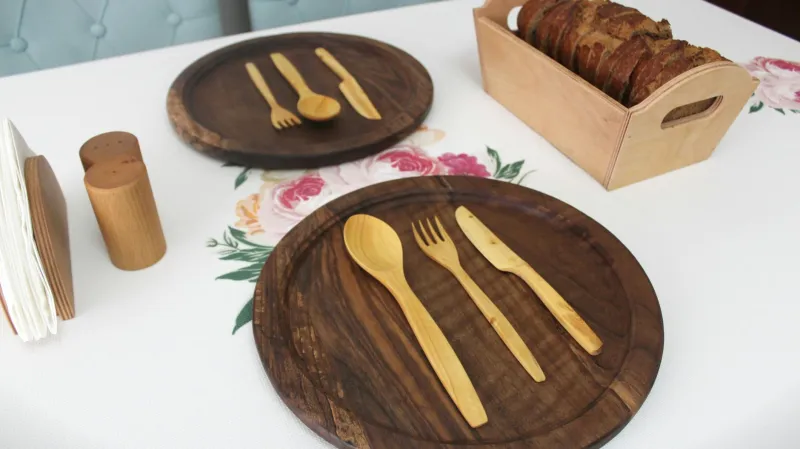
You probably used a fork for your last meal without giving it a second thought. But there was a time when that simple piece of metal could get you accused of moral corruption, European pretension, or even devil worship. When forks first appeared at American dinner tables in the early 1700s, they triggered one of the most ridiculous cultural controversies in colonial history.
The fork wasn't just a new utensil — it was a symbol of everything religious Americans feared about Old World decadence.
God's Perfect Design Under Attack
Colonial American clergy had a simple theological argument against the fork: if God had wanted humans to eat with metal implements, He wouldn't have given them fingers. The human hand, they argued, was perfectly designed for consuming food. Using artificial tools to accomplish what fingers could do naturally was not just unnecessary — it was an insult to divine creation.
Reverend Cotton Mather, one of New England's most influential Puritan ministers, regularly preached against "the vanities of European table customs" and specifically condemned forks as evidence of humanity's growing distance from God's intended simplicity. In his view, the fork represented the dangerous idea that human invention could improve upon divine design.
 Photo: New England, via i2.wp.com
This wasn't just abstract theology. Colonial communities were small, tightly knit, and intensely focused on moral conformity. When someone produced a fork at dinner, they weren't just choosing a different way to eat — they were making a statement about their values, their relationship with God, and their attitude toward European influence.
The Aristocratic Infection
Beyond religious objections, forks carried uncomfortable associations with European aristocracy. Colonial Americans had deliberately left behind the elaborate social hierarchies of England and France, creating communities based on hard work, moral character, and democratic principles. The fork represented everything they'd rejected: unnecessary luxury, artificial manners, and the kind of pretentious behavior that separated the wealthy from common people.
When wealthy merchants and plantation owners began importing forks from Europe in the early 1700s, their neighbors saw it as evidence of dangerous social ambitions. Using a fork suggested that you considered yourself too refined for honest, straightforward eating — that you wanted to ape the manners of European nobles rather than embrace American simplicity.
Local newspapers regularly published letters condemning "fork users" as people who had forgotten their democratic values and were trying to establish artificial class distinctions in American society. The fork became a symbol of social climbing and moral corruption.
The Practical Rebellion
Early American forks were also genuinely impractical, which strengthened arguments against them. Most had only two tines, making them essentially tiny pitchforks that were terrible at holding food. They were expensive to import, difficult to clean, and required learning entirely new eating techniques.
Most colonial Americans ate stews, porridges, and other foods that worked perfectly well with spoons and fingers. Bread served as an edible plate, and knives could handle any cutting that fingers couldn't manage. The fork solved problems that most people didn't have while creating new difficulties that nobody wanted.
Critics pointed out that fork users spent more time fumbling with their utensils than actually eating, turning meals into awkward performances rather than efficient nutrition. Why struggle with an unfamiliar tool when traditional methods worked better?
The Slow Surrender
Despite fierce resistance, forks gradually gained acceptance through the late 1700s and early 1800s. The change came not through moral arguments but through practical improvements and social pressure.
Manufacturers began producing forks with three and four tines, making them much more functional for holding and cutting food. American metalworkers started making simpler, less ornate versions that looked less aristocratic and cost less than European imports. As forks became more practical and affordable, the religious and social arguments against them seemed increasingly outdated.
The Revolutionary War also shifted American attitudes toward European influence. While colonists had once feared any connection to Old World decadence, post-war Americans were more confident about selectively adopting useful innovations while maintaining their democratic values. The fork stopped being a symbol of aristocratic pretension and became simply a useful tool.
When Manners Became Morals
By 1820, the fork controversy had largely disappeared, but it left lasting impacts on American culture. The debate established patterns of thinking about manners, morality, and social change that persisted long after forks became universal.
Americans developed a distinctive suspicion of elaborate etiquette rules, preferring practical efficiency over formal ceremony. This attitude shaped everything from business customs to social interactions, creating the more casual, direct communication style that still characterizes American culture today.
The fork controversy also demonstrated Americans' complex relationship with European influence. While they were willing to adopt useful innovations, they remained deeply suspicious of anything that seemed to challenge democratic equality or moral simplicity.
The Utensil That Changed Everything
The fork's victory wasn't just about eating — it was about America's growing confidence in its ability to adapt foreign innovations without losing its essential character. By accepting the fork while rejecting European aristocratic values, Americans proved they could be selective about cultural change.
This approach became a template for how America would handle future innovations and influences. The country developed a pattern of enthusiastically adopting useful technologies while maintaining skepticism about the social and moral implications of change.
The Forgotten Battle for American Tables
Today, suggesting that forks are morally dangerous would seem absurd. But the colonial fork controversy reveals something important about how cultural change happens. Innovations that we now consider obviously beneficial often face fierce resistance from people who see them as threats to existing values and social structures.
The ministers who preached against forks weren't necessarily wrong about their cultural impact. The utensil did help introduce more formal dining customs, more complex table manners, and greater emphasis on proper etiquette. These changes gradually shifted American culture toward the more refined, regulated social interactions that characterized the Victorian era.
What the fork's critics missed was that cultural change was inevitable anyway. By the 1800s, American society was becoming more complex, more prosperous, and more connected to global trends. The fork didn't create these changes — it simply provided a convenient tool for navigating them.
Every time you pick up a fork, you're participating in a tradition that once sparked heated sermons, angry newspaper editorials, and genuine moral outrage. The simple act of spearing food with metal tines represents America's eventual decision to embrace useful innovations while maintaining its distinctive cultural identity.