When Workers Started Carrying Their Kitchens Underground
The Tin That Saved Lives
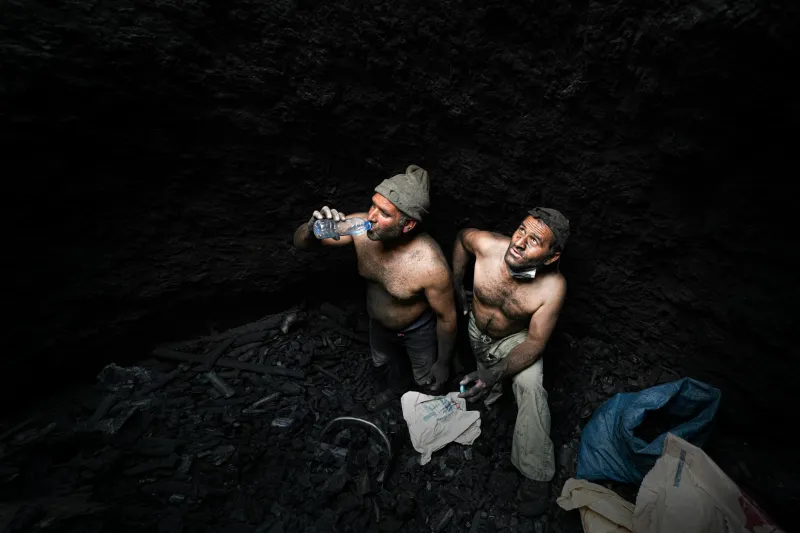
In the coal mines of Pennsylvania and West Virginia in the 1880s, workers faced a deadly choice. They could eat the company-provided meals that were often spoiled by the time they reached the depths of the mine shafts, or they could go hungry for twelve-hour shifts in conditions that demanded every calorie. The solution came from an unlikely source: empty tobacco tins.
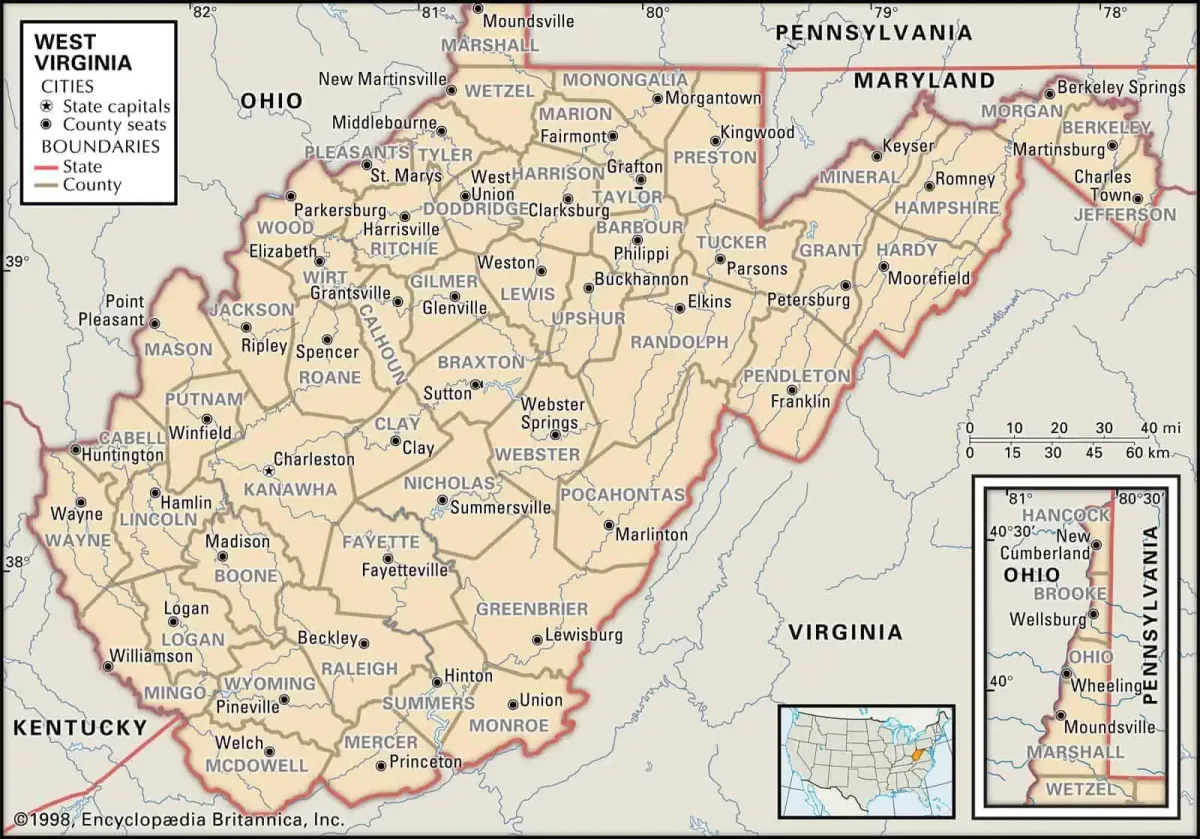 Photo: West Virginia, via www.mapofus.org
Miners began repurposing the sturdy metal containers that once held their chewing tobacco, transforming them into portable food carriers. These makeshift lunch containers could survive the brutal journey down mine shafts, protect food from coal dust and toxic gases, and withstand the rough handling that came with industrial labor.
The choice wasn't about convenience—it was about survival. Mine workers needed reliable nutrition to maintain the strength required for dangerous underground work, and the tobacco tin lunch box became their lifeline.
From Survival Tool to American Icon
By the 1900s, manufacturers noticed what miners had figured out on their own. The American Thermos Bottle Company began producing purpose-built lunch boxes in 1904, but they still looked remarkably similar to those repurposed tobacco tins—rectangular, metal, and built to last.
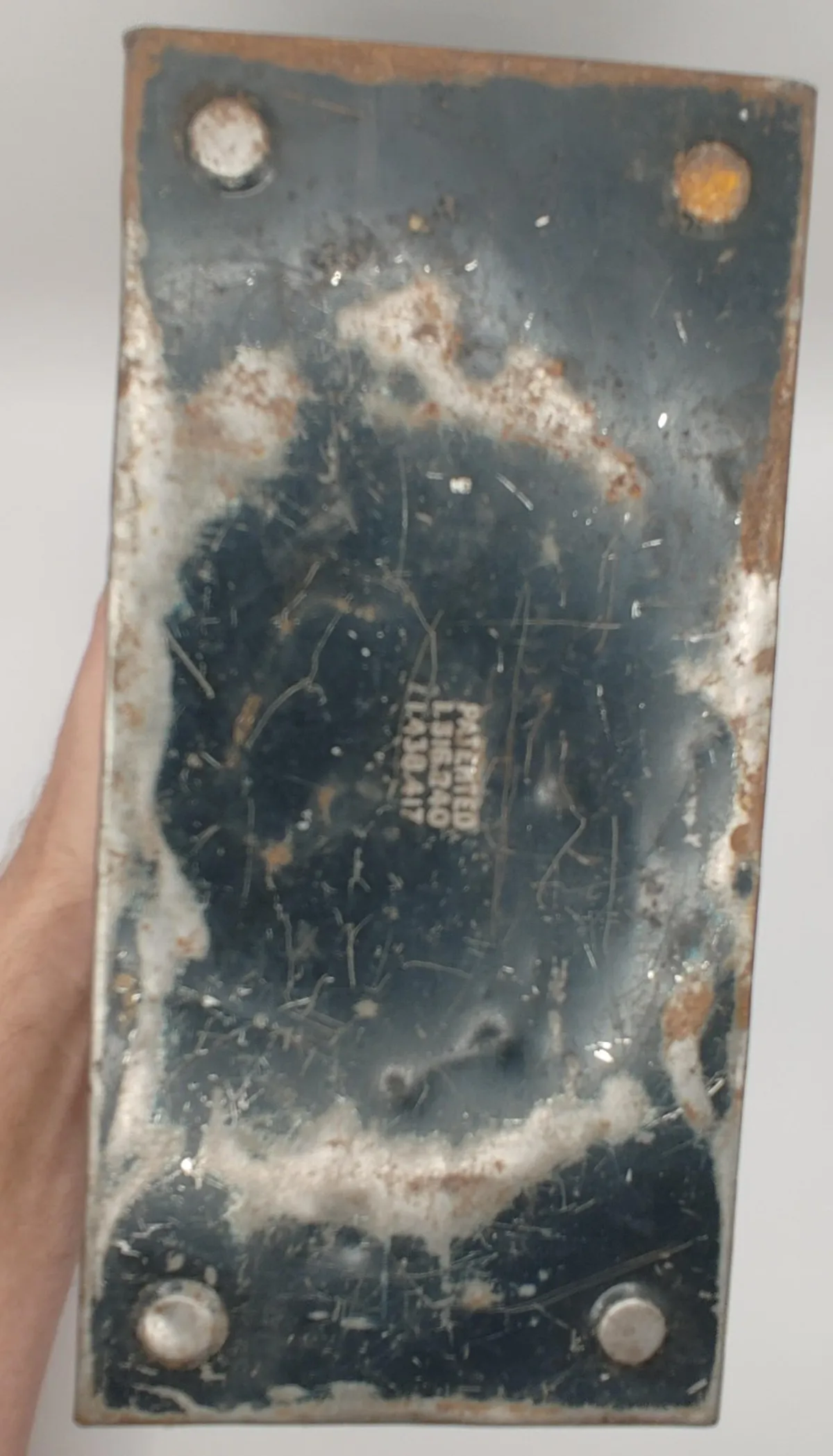 Photo: American Thermos Bottle Company, via i.etsystatic.com
The lunch box quickly spread beyond the mines. Factory workers, railroad employees, and construction crews all adopted the practice of carrying their meals. What had started as a working-class necessity was becoming a symbol of American labor.
The real transformation came in the 1950s when Aladdin Industries introduced the first character-themed lunch box featuring Hopalong Cassidy. Suddenly, the humble worker's tool became a childhood status symbol. Kids who had never seen the inside of a coal mine were carrying miniature versions of the containers that had kept their grandfathers alive underground.
The Emotional Weight of Packed Lunches
There's something quietly powerful about the act of packing a lunch that goes back to those original miners. When a parent wraps a sandwich and places it in a lunch box, they're participating in a ritual that began as an act of care for people doing dangerous work.
The lunch box represents more than convenience—it's a tangible connection between home and workplace, between care and necessity. The miner's wife who packed her husband's tin knew he might not come home that day. The modern parent packing their child's lunch bag carries a diluted but recognizable version of that same protective instinct.
Why the Lunch Box Endures
Today's lunch boxes bear little resemblance to those original tobacco tins. They're insulated, colorful, and designed with cartoon characters rather than industrial durability. But the fundamental concept remains unchanged: a portable container that carries food from the place of care to the place of work or school.
The lunch box survived the rise of cafeterias, fast food, and meal delivery apps because it represents something deeper than just food transportation. It's about taking a piece of home with you, about the person who cared enough to pack it, and about maintaining control over what you eat in a world that often offers few choices.
Every time someone opens a lunch box—whether it's a kindergartner with a superhero-themed bag or an office worker with a simple insulated container—they're participating in a tradition that began with coal miners who needed to eat to survive another day underground.
The humble lunch box started as a matter of life and death. Today, it remains a small but significant act of care, carrying forward the same essential message those miners understood: someone thought you were worth feeding well.