When Theaters Banned the Snack That Would Make Them Rich
The Snack That Wasn't Welcome
In 1920s America, going to the movies was a refined affair. Theaters were designed like opera houses, complete with velvet seats and crystal chandeliers. Audiences dressed up, spoke in hushed tones, and certainly didn't crunch their way through bags of street food.
Popcorn? That was carnival trash. The domain of traveling circuses and county fairs, sold by vendors with pushcarts who followed the crowds looking for quick cash. Theater owners wouldn't dream of allowing such a messy, noisy, working-class snack into their sophisticated establishments.
This class divide would hold for exactly one decade—until economic disaster forced everyone to reconsider what really mattered.
Circus Origins and Street Corner Empires
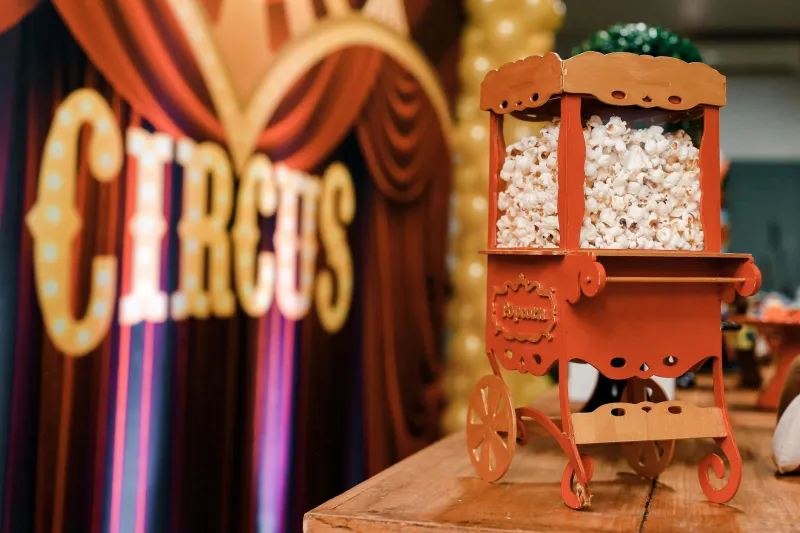
Popcorn's journey to movie stardom began in the 1880s at traveling circuses. Vendors discovered that corn kernels were cheap, portable, and created an irresistible aroma when popped in oil over open flames. The snack was perfect for outdoor entertainment—easy to eat while walking, nearly impossible to spoil, and profitable enough to support entire families of traveling salesmen.
By the 1900s, popcorn vendors had migrated from circus grounds to city street corners. They positioned themselves outside theaters, sporting events, and anywhere crowds gathered. The smell alone drew customers, and the low overhead meant huge profits. A bag that cost pennies to make could sell for a nickel—a markup that would make modern retailers jealous.
But theater owners saw these vendors as a nuisance. The noise, the mess, the distinctly un-elegant image of audiences crunching through dramatic scenes—it all went against the refined atmosphere they were trying to create.
The Great Divide: Silent Films vs. Sound
The popcorn ban was easier to enforce during the silent film era. Crunching sounds would disrupt the carefully orchestrated musical accompaniment that theaters provided. Piano players and small orchestras created sophisticated soundscapes, and the sound of hundreds of people eating would ruin the illusion.
Theater architecture supported this exclusivity. Early movie palaces were designed with narrow aisles and plush seating that discouraged food consumption. There were no concession stands, no lobby vendors, and certainly no built-in cup holders.
The message was clear: movies were high culture, and high culture didn't include street snacks.
When Desperation Changed Everything
Then came October 1929. The stock market crashed, and America's economy collapsed virtually overnight. Suddenly, those refined movie palaces found themselves empty. Families couldn't afford five-dollar tickets for entertainment when they were struggling to buy bread.
Theater owners faced a choice: adapt or close. Many chose to close. But the desperate ones started looking at those popcorn vendors outside their doors with new interest.
The math was simple. Popcorn cost almost nothing to make and could sell for significant markup. More importantly, the vendors already had established customer bases and proven sales systems. Instead of competing with them, why not invite them inside?
The Unlikely Partnership
By 1930, struggling theater owners began cutting deals with popcorn vendors. The arrangement was mutually beneficial: vendors got protection from weather and increased foot traffic, while theaters got a cut of the profits without any upfront investment.
The transformation happened faster than anyone expected. Theaters that had banned popcorn just months earlier were suddenly building concession stands and hiring their own popcorn makers. The aroma that had once been unwelcome was now actively encouraged to waft through lobbies.
Customers loved it. For families pinching pennies, a five-cent bag of popcorn made the movie experience feel complete without breaking the budget. The snack was filling enough to substitute for dinner, turning movie night into an affordable meal.
The Sound Revolution's Perfect Timing
The transition to "talking pictures" in the late 1920s accidentally solved popcorn's noise problem. With dialogue, music, and sound effects coming from the screen, the crunch of popcorn became background noise rather than disruption.
Theater designers began incorporating this new reality. Aisles widened to accommodate vendors. Lobbies expanded to house concession stands. Cup holders appeared in armrests. The entire movie-going experience was redesigned around snack consumption.
From Survival Strategy to Profit Center
What started as a desperate Depression-era survival strategy quickly became the most profitable part of the movie business. By 1940, theaters were making more money from concessions than from ticket sales—a ratio that remains true today.
Popcorn was the perfect movie snack by accident. It was quiet enough not to disturb dialogue, aromatic enough to increase appetite, and profitable enough to keep theaters in business. The long preparation time meant customers had to arrive early, increasing lobby sales and creating social atmosphere.
The Cultural Fusion That Stuck
The Depression forced two completely separate American entertainment traditions to merge: the refined culture of movie-going and the populist tradition of street food. What emerged was something entirely new—a democratized entertainment experience that felt both special and accessible.
This fusion created the modern movie theater experience. Today, the smell of popcorn is so associated with movies that theaters pump artificial popcorn scent into their lobbies. The snack that was once banned for being too low-class is now essential to the cinema atmosphere.
The Permanent Marriage
The relationship between popcorn and movies has survived every change in the industry—drive-ins, multiplexes, IMAX, streaming services. Even as theaters adapt to new technologies and viewing habits, popcorn remains constant.
That's because the Depression-era marriage solved a fundamental business problem: how to make entertainment profitable during economic uncertainty. Popcorn's high markup and low cost provided financial stability that ticket sales alone couldn't guarantee.
The Legacy of Desperate Innovation
Every time you buy popcorn at a movie theater, you're participating in a tradition born from economic desperation. Theater owners didn't choose popcorn because it enhanced the viewing experience—they chose it because they were going broke.
But sometimes the best innovations come from necessity rather than planning. The Depression forced American entertainment to become more democratic, more accessible, and ultimately more profitable. The snack that was once too low-class for movies became the thing that saved them.
Today's $6 bag of theater popcorn carries the DNA of those 1930s survival strategies, proving that sometimes the most enduring traditions are the ones nobody planned.