The Paper That Taught America to Eat on the Run
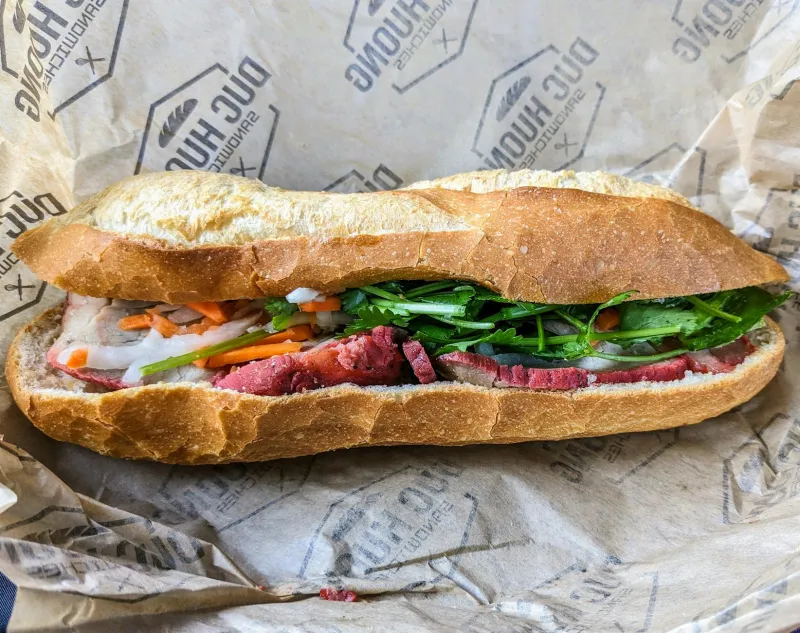
The Paper That Taught America to Eat on the Run
Every time you unwrap a burger or peel back the paper from a deli sandwich, you're participating in a food revolution that began in the 1870s with something completely unrelated to eating: candle wax.
The story starts in a small Massachusetts factory where Thomas Edison—yes, that Edison—was experimenting with paraffin wax for his phonograph cylinders. But it was an anonymous factory worker who made the discovery that would reshape American dining forever. While coating paper with wax to protect machinery parts during shipping, someone noticed the treated paper kept moisture out completely.
From Factory Floor to Food Counter
By 1876, wax paper was being manufactured specifically for food preservation, initially marketed to grocers for wrapping cheese and butter. The paper created an airtight seal that kept products fresh far longer than cloth wrapping or bare storage. But grocers quickly realized something else: customers could take their purchases anywhere without making a mess.
This seemingly minor convenience triggered a cultural shift that nobody saw coming. For the first time in human history, prepared food could be portable without requiring a container that needed to be returned. Street vendors, who had previously served food on reusable plates or expected customers to bring their own vessels, suddenly had a disposable solution.
The Birth of Street Food Culture
By the 1880s, New York City's pushcart vendors were wrapping everything in wax paper: hot corn, roasted nuts, penny candy, and the newly popular "sandwich"—a concept that was still exotic enough to require explanation in many newspapers. The paper didn't just keep food fresh; it transformed eating from a stationary activity into something you could do while walking, working, or traveling.
Lunch counters across America began serving "paper-wrapped specials"—sandwiches, pastries, and even soup in wax-lined containers that customers could take back to their offices. The workday lunch break, previously a luxury only the wealthy could afford, became accessible to factory workers and clerks who could grab something quick and eat at their desks.
The Infrastructure of Speed
What made wax paper revolutionary wasn't just its convenience—it was economics. Restaurants could prepare food in advance, wrap it for freshness, and serve customers in seconds rather than minutes. This speed advantage meant higher customer turnover and lower labor costs, creating the business model that would eventually become fast food.
By 1900, "paper service" restaurants were common in major cities. These establishments looked nothing like modern fast food chains, but they operated on the same principle: pre-made food, minimal service, maximum speed. Customers ordered at a counter, received their wrapped meal immediately, and ate standing up or took it to go.
The Legal Battle That Proved Its Importance
The true measure of wax paper's impact came in 1902, when the Dixie Cup Company sued several competitors over "proprietary food wrapping technology." The lawsuit revealed that wax paper wrapping had become so integral to American food service that companies were willing to fight expensive legal battles over slight variations in coating techniques.
The case dragged on for three years, during which restaurants testified that switching back to plate service would bankrupt them. They had restructured their entire operations around paper-wrapped food. Customers, they argued, now expected speed and portability as basic features of dining out.
The Unintended Revolution
By 1910, wax paper had created an entire ecosystem of portable eating. Vending machines dispensed paper-wrapped snacks. Train stations sold "travel meals" in wax-lined boxes. Department stores offered "shopping lunches" that customers could eat while browsing.
None of this was planned. The inventors of wax paper were trying to solve a shipping problem, not revolutionize dining. But by making portable food practical, they accidentally created the infrastructure that fast food chains would later perfect.
The Legacy in Every Wrapper
Today's fast food industry—worth over $200 billion annually—still operates on principles established by that first wax paper wrapper. The grab-and-go mentality, the expectation of speed, the assumption that food should be portable by default—all of these cultural norms trace back to a factory worker in Massachusetts who noticed that wax-coated paper kept things dry.
Modern food packaging has evolved far beyond simple wax paper, but the fundamental concept remains unchanged: the container shapes how we consume. Every time you eat while walking, grab lunch at your desk, or expect a restaurant to serve you in under five minutes, you're living inside a cultural shift that began with a piece of paper nobody intended for food.
The next time you unwrap a sandwich, remember that you're not just opening a meal—you're participating in America's first food revolution, one that started not in a kitchen, but in a candle factory.