She Invented America's Favorite Cookie and Got a Lifetime Supply of Chocolate for It
She Invented America's Favorite Cookie and Got a Lifetime Supply of Chocolate for It
Picture this: it's 1938, you're running a busy inn in Whitman, Massachusetts, and you're in the middle of baking a batch of Butter Drop Do cookies for your guests. You reach for a bar of Nestlé semi-sweet chocolate, chop it into rough pieces, and fold it into the dough — fully expecting those chunks to melt down and flavor the whole batch the way they always have.
They don't melt.
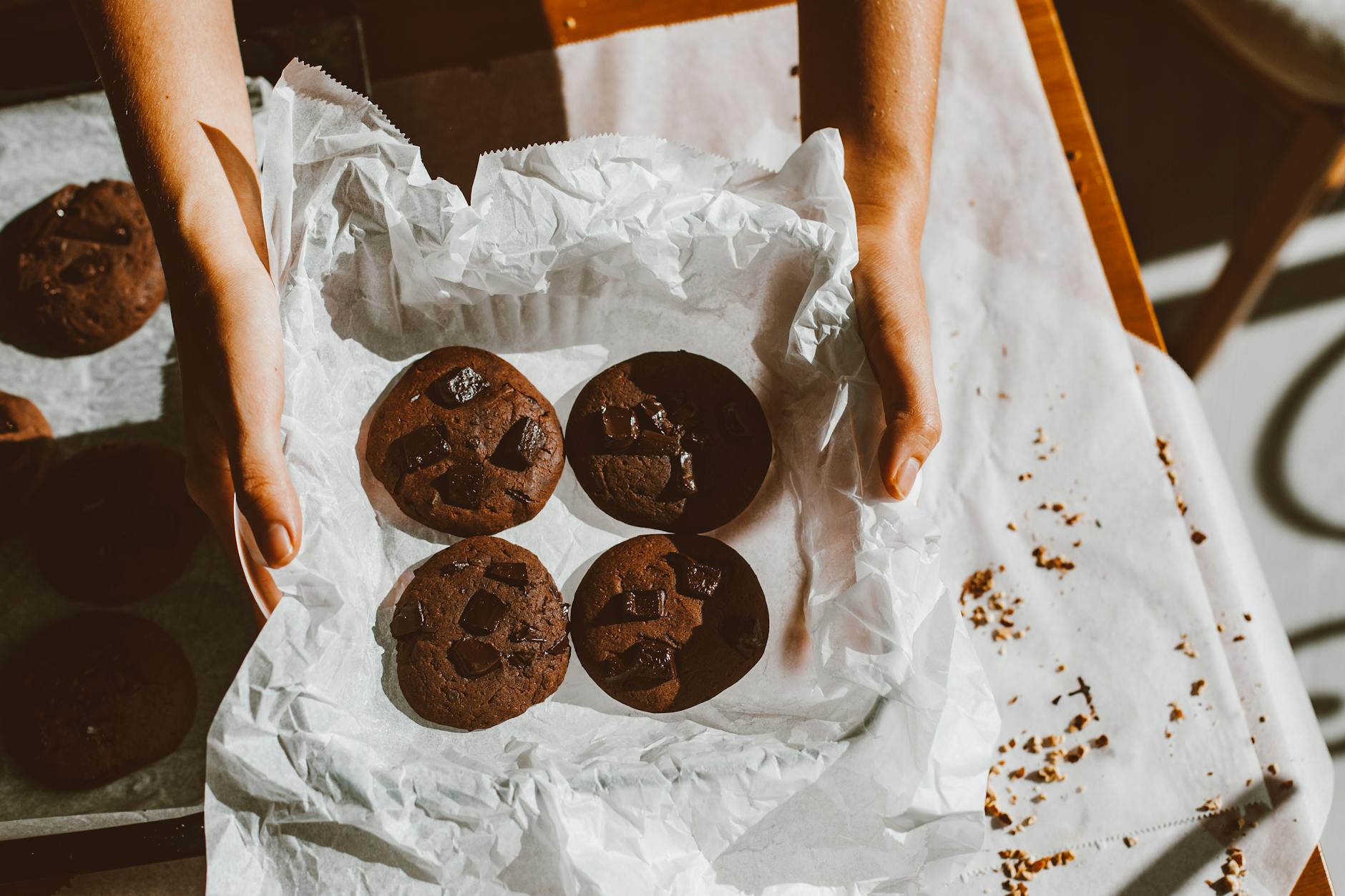
What comes out of the oven instead is something no one had tasted before: a golden, buttery cookie studded with soft, slightly gooey pockets of chocolate that hold their shape. Ruth Wakefield, the woman standing at that oven, had just stumbled onto one of the most replicated recipes in American history — and she didn't even mean to.
The Kitchen Moment That Changed Everything
Ruth Wakefield wasn't a casual home baker. She held a degree in household arts and ran the Toll House Inn with her husband Kenneth as a proper destination for travelers between Boston and New Bedford. The food at Toll House had a reputation, and Ruth worked hard to keep it.
The exact details of that first batch are, honestly, a little murky. Some accounts say Ruth was improvising after running out of baker's chocolate. Others suggest she was deliberately experimenting. A more colorful version — almost certainly invented after the fact — claims the vibrations from a nearby mixer caused a chocolate bar to fall into the dough on its own. What's agreed upon is the result: a cookie that her guests loved immediately, and that Ruth began serving regularly at the inn.
She called it the Toll House Chocolate Crunch Cookie and published the recipe in a Boston newspaper and later in her cookbook, Toll House Tried and True Recipes. Word spread fast — faster than Ruth could have anticipated.
How Nestlé Got Involved
As the recipe circulated, sales of Nestlé's semi-sweet chocolate bar started climbing in New England in ways the company couldn't initially explain. When they traced the spike back to Ruth's recipe, they reached out to her directly.
The deal they struck has fascinated food historians ever since. Ruth agreed to let Nestlé print the Toll House Cookie recipe on the packaging of their chocolate bars. In return, she received a lifetime supply of Nestlé chocolate.
That's it.
No royalties. No percentage of sales. No stake in what would eventually become one of the most commercially successful product lines in baking history. Nestlé began scoring their semi-sweet bars to make them easier to break into pieces for baking. By 1939, they introduced pre-cut chocolate morsels — the chip as we know it — specifically to meet demand the Toll House recipe had created. Ruth's name went on the bag. Her compensation did not grow with it.
A Recipe That Became a National Institution
There's something almost staggering about the scale of what followed. The Toll House Cookie recipe remained on Nestlé's chocolate chip bags for decades and is widely considered the most-used recipe on the back of any food package in the United States. Surveys have repeatedly ranked the chocolate chip cookie as America's single favorite cookie, outpacing every other variety by a significant margin.
During World War II, soldiers from Massachusetts received Toll House cookies in care packages from home and shared them with fellow troops across units and regions. Letters home asked families to send more. The recipe spread across the country through those exchanges in a way no advertising campaign could have engineered.
By the 1980s and 1990s, the chocolate chip cookie had become so embedded in American culture that it anchored the rise of gourmet cookie shops, influenced the development of cookie dough ice cream, and became the default baked good at school fundraisers, holiday parties, and office break rooms from coast to coast.
The Woman Behind the Cookie
Ruth Wakefield continued running the Toll House Inn until she and Kenneth sold it in 1966. The building burned down on New Year's Eve in 1984. She passed away in 1977, years before the full commercial explosion of the chocolate chip cookie industry she had sparked.
She never held a patent. Patent law at the time didn't extend to recipes in any meaningful way, and even if it had, the informal nature of her arrangement with Nestlé would have complicated any claim. The lifetime chocolate supply — generous as it sounds — was the whole of her return on one of the most economically significant kitchen accidents in American food history.
It's worth sitting with that for a moment. The next time you pull a warm chocolate chip cookie apart and watch the chocolate stretch, you're holding the direct descendant of something Ruth Wakefield made by mistake on an ordinary afternoon in Massachusetts. She gave America its favorite cookie, and America gave her a very good reason to keep baking.
Not a bad trade — just not exactly a fair one.