She Ran Out of Baking Chocolate and Accidentally Invented America's Favorite Cookie
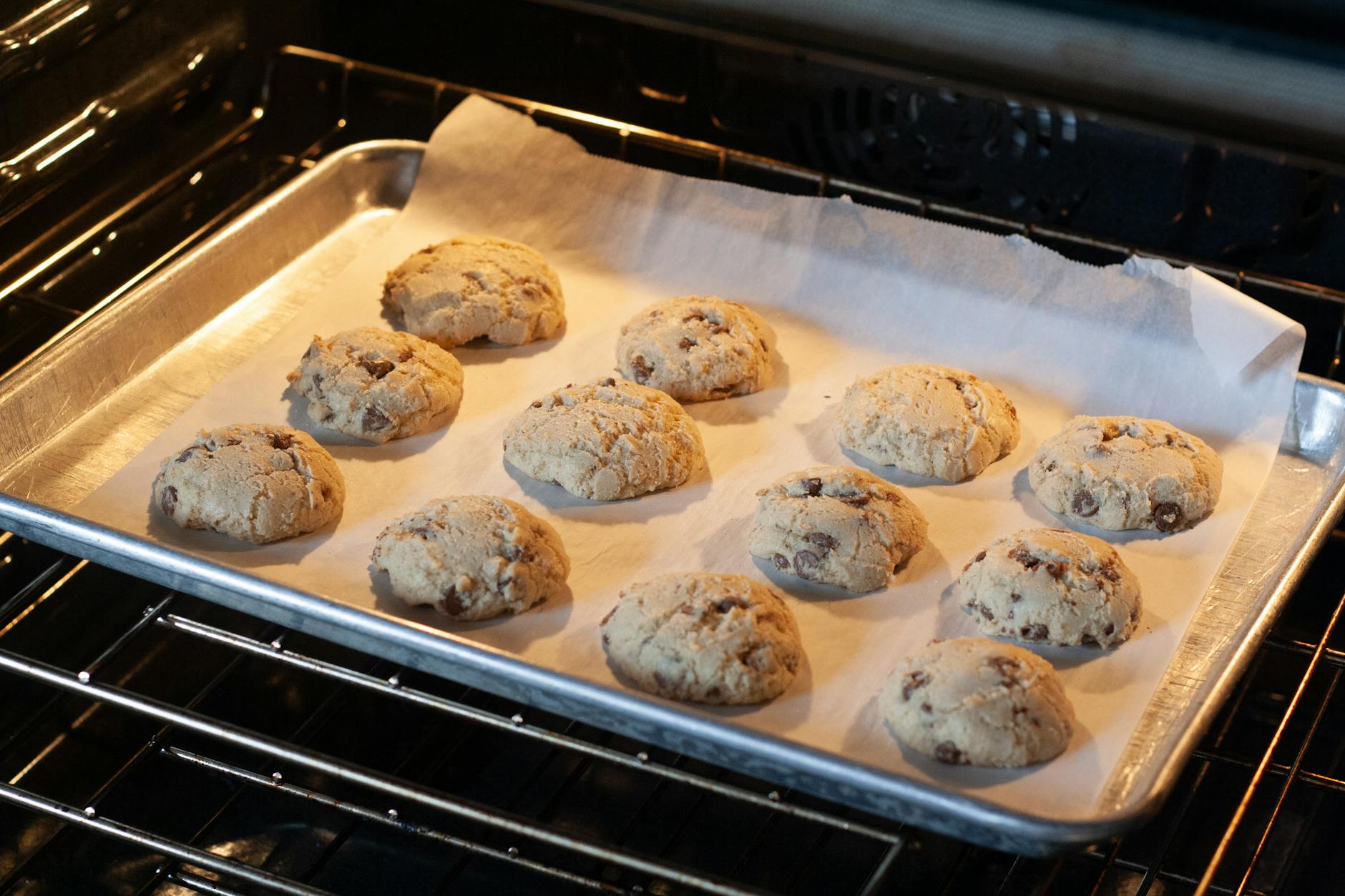
She Ran Out of Baking Chocolate and Accidentally Invented America's Favorite Cookie
Picture a busy inn kitchen in 1930s New England. Guests are checked in, dinner is winding down, and the baker needs to finish a batch of cookies. She reaches for her usual baking chocolate — and it's not there. What she does next changes American food culture for the next hundred years.
That baker was Ruth Wakefield. And the cookie she improvised on the spot? You've eaten it your entire life.
The Toll House Inn and the Woman Behind the Recipe
Ruth Wakefield wasn't just a home cook with a lucky afternoon. She was a trained dietitian and culinary instructor who, along with her husband Kenneth, purchased a roadside lodge in Whitman, Massachusetts in 1930. They called it the Toll House Inn — named after the historic practice of colonial-era tollhouses where travelers would stop to pay road fees, rest their horses, and eat a meal.
The inn became known for its food. Ruth took the kitchen seriously, drawing on her professional background to develop recipes that kept guests coming back. She wasn't experimenting casually. She was building a reputation.
Among her most popular offerings was a simple, buttery drop cookie called the Butter Drop Do — a classic recipe with roots going back to colonial New England cooking. It was reliable, well-loved, and entirely unremarkable in its origins. Until one day it wasn't.
The Substitution That Started Everything
The exact details of what happened next have been told a few different ways over the decades, but the most widely accepted version goes something like this: Ruth was preparing a batch of her butter drop cookies and went to add melted baking chocolate to the dough. Either she had run out, or the Baker's chocolate she normally used wasn't available. Whatever the reason, she reached instead for a Nestlé semi-sweet chocolate bar — a product intended for eating, not baking — broke it into small pieces, and folded them into the dough.
Her assumption, reasonable enough, was that the chocolate chunks would melt into the batter during baking, distributing evenly throughout the cookie the way melted chocolate normally would. That's not what happened.
The pieces held their shape. They softened, turned glossy, and became little pockets of melted chocolate suspended inside a crisp, golden cookie. Rather than a uniformly chocolate-flavored dough, she had created something with texture, contrast, and a little surprise in every bite.
She served them to her guests. They loved them immediately.
From Inn to National Phenomenon
Ruth published the recipe in a Boston newspaper and later included it in her cookbook, Toll House Tried and True Recipes, which first appeared in 1936. The response was swift and far-reaching. Home bakers across New England started making the cookies, and sales of Nestlé's semi-sweet chocolate bar began climbing in ways the company couldn't immediately explain.
When Nestlé traced the surge back to Ruth's recipe, they moved quickly. The company reached out to Wakefield and struck a deal — the specifics of which have been reported differently over the years, with some accounts suggesting she received a lifetime supply of Nestlé chocolate in exchange for the rights to print her recipe on their packaging. Whether the compensation was as modest as that or involved more formal arrangements, the result was clear: Nestlé began scoring their chocolate bars so they could be broken into uniform pieces more easily for baking.
By 1939, Nestlé took it a step further and introduced pre-cut chocolate morsels — the small, teardrop-shaped chips that still line grocery store baking aisles today. The Toll House cookie recipe appeared on every bag. It still does.
A Recipe That Never Really Left
What makes Ruth Wakefield's story worth sitting with is how completely unintentional the whole thing was. She wasn't trying to disrupt anything. She was solving a small, practical problem in a working kitchen on an ordinary afternoon. The genius wasn't in the concept — it was in noticing that the mistake was actually better than the plan.
The chocolate chip cookie went on to become one of the most reproduced recipes in American history. It's been adapted thousands of times, argued over endlessly (brown butter or no? chilled dough or straight to the oven? one type of chocolate or three?), and elevated by pastry chefs at some of the most celebrated restaurants in the country. The version at New York City's Levain Bakery has its own cult following. Serious Eats has published multiple exhaustive investigations into the science of the perfect chip. Entire bakeries have been built around a single cookie.
And underneath all of it is a woman in a Massachusetts inn who ran short on an ingredient and made do with what she had.
The First Bite Was Never Supposed to Happen
There's something quietly wonderful about the fact that one of America's most deeply familiar flavors — the specific combination of buttery dough and melted chocolate that most of us have been eating since childhood — came from a substitution. Not a laboratory. Not a test kitchen with a development budget. A substitution.
Ruth Wakefield kept running her inn until 1967, when she sold it to a restaurant group. The building burned down on New Year's Eve in 1984. But the recipe she printed on a bag of chocolate chips outlasted the building, the inn, and very nearly the century itself.
Every time you pull a warm tray out of the oven, you're repeating an accident that was never supposed to work. It just happened to be delicious.