When Luxury Dining Left the City and Rolled Across America on Rails
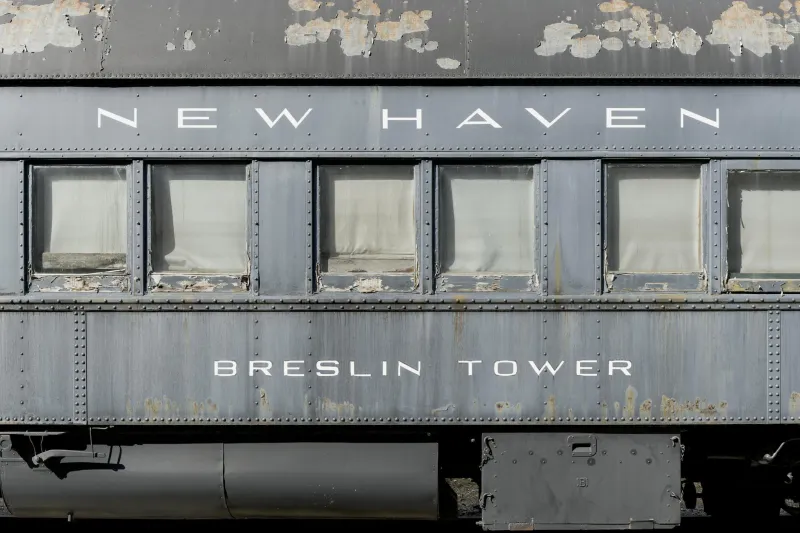
America's Moving Classroom in Etiquette
Imagine you're a farmer from Nebraska in 1875, boarding your first long-distance train. You've heard about the dining car but nothing could prepare you for what you find: crisp white tablecloths, multiple forks arranged with military precision, uniformed waiters presenting leather-bound menus, and courses arriving in a sequence you've never encountered. By the time you reach your destination, you've accidentally received an education in fine dining that most Americans could never afford—and you learned it while traveling at 30 miles per hour through the countryside.
This wasn't George Pullman's original plan when he introduced luxury sleeping cars in the 1860s. He simply wanted to make long-distance travel comfortable for wealthy passengers. But his dining cars ended up doing something far more significant: they democratized fine dining and taught an entire generation of Americans how to eat like the upper class.
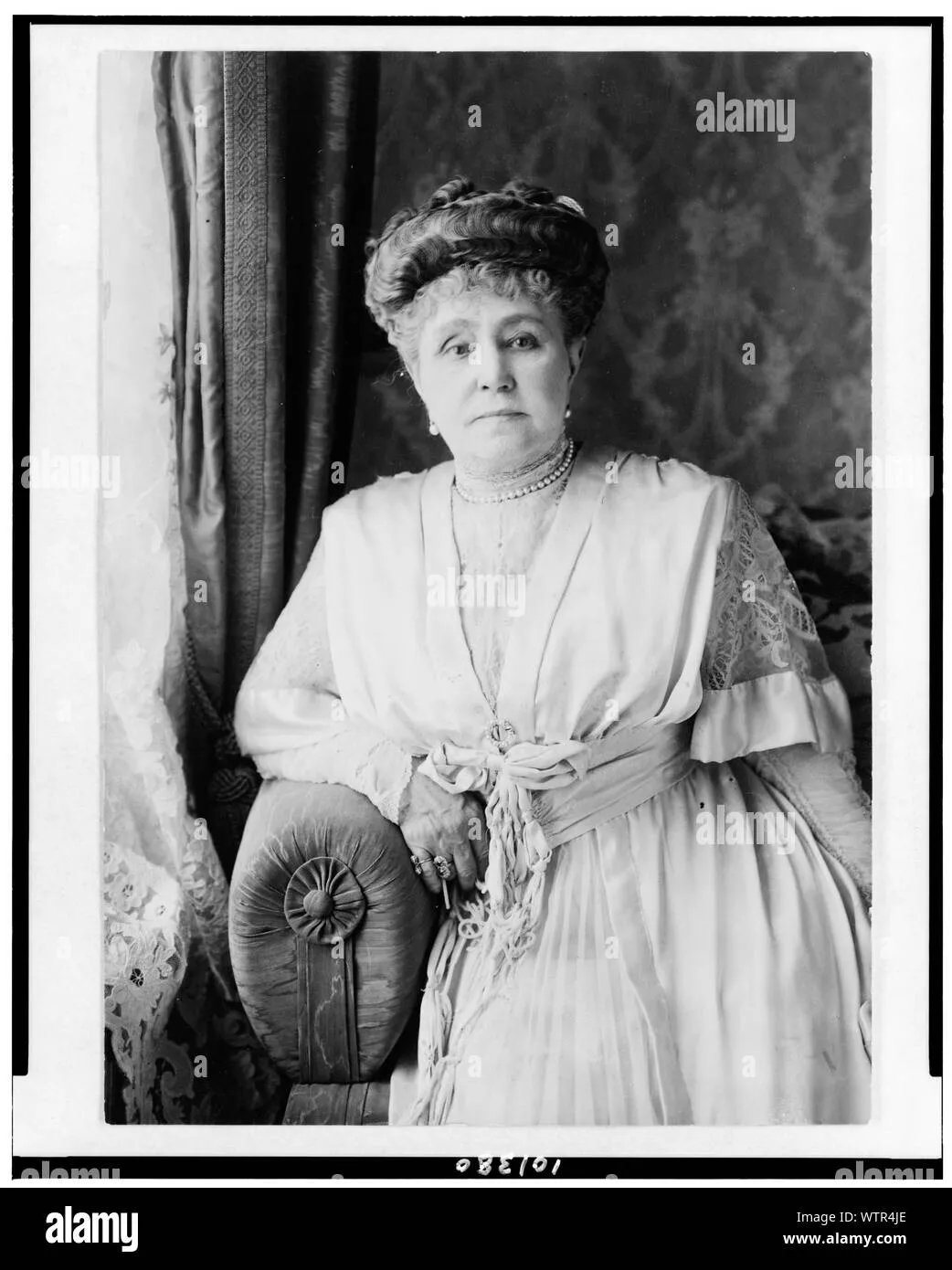 Photo: George Pullman, via c8.alamy.com
The Accidental Democracy of Railroad Dining
Pullman's dining cars operated on a radical principle for their time: anyone with a train ticket could eat there. Unlike exclusive city restaurants that catered only to the wealthy, or boarding houses that served simple, communal meals, the dining car brought together passengers from vastly different backgrounds around the same white tablecloths.
A traveling salesman from Ohio might find himself seated across from a railroad executive, both receiving identical service and identical food. The banker's wife learned the same fork etiquette as the teacher heading west to a new job. For many Americans, this represented their first encounter with formal dining service—and often their first taste of foods they'd only heard about in novels.
The Curriculum Nobody Planned
Railroad dining cars became inadvertent schools for American table manners. Passengers observed how others navigated multiple courses, learned which utensils to use when, and discovered the rhythm of fine dining. The experience was immersive and unavoidable—you couldn't leave the classroom because you were traveling at high speed through the wilderness.
The menus themselves served as textbooks. Pullman's chefs prepared elaborate meals featuring French cooking techniques, unfamiliar vegetables, and sophisticated presentations. Passengers encountered their first artichokes, learned about wine pairings, and discovered that dessert could be more than pie. The captive audience had hours to observe, ask questions, and practice skills they'd never needed before.
Training America's Future Restaurant Diners
The impact extended far beyond individual meals. Passengers who experienced dining car service returned home with new expectations for restaurant food and service. They had learned that meals could be experiences, not just fuel, and that presentation mattered as much as taste. This educated customer base created demand for better restaurants in cities and towns across America.
Local establishments began adopting dining car standards: printed menus, trained waitstaff, multiple courses, and attention to ambiance. The railroad companies had accidentally created a generation of diners who knew what good service looked like and weren't willing to accept less.
The Great Equalizer of American Taste
Dining cars also standardized American food preferences across vast distances. A dish that proved popular on the Chicago-to-San Francisco route would appear on other lines, spreading regional specialties nationwide. Passengers from different areas shared tables and recommendations, creating a national conversation about food that had never existed before.
 Photo: Chicago-to-San Francisco, via www.secretflying.com
The cars served as testing grounds for new foods and cooking techniques. Successful dishes migrated from railroad kitchens to hotel dining rooms and eventually to home kitchens as passengers attempted to recreate their travel experiences. The dining car menu became a preview of America's culinary future.
The Service Revolution That Started on Wheels
Pullman's emphasis on impeccable service set standards that influenced American hospitality forever. The company trained waiters in formal service techniques, insisted on spotless uniforms and equipment, and maintained the same high standards whether the train was crossing Iowa farmland or pulling into Grand Central Station.
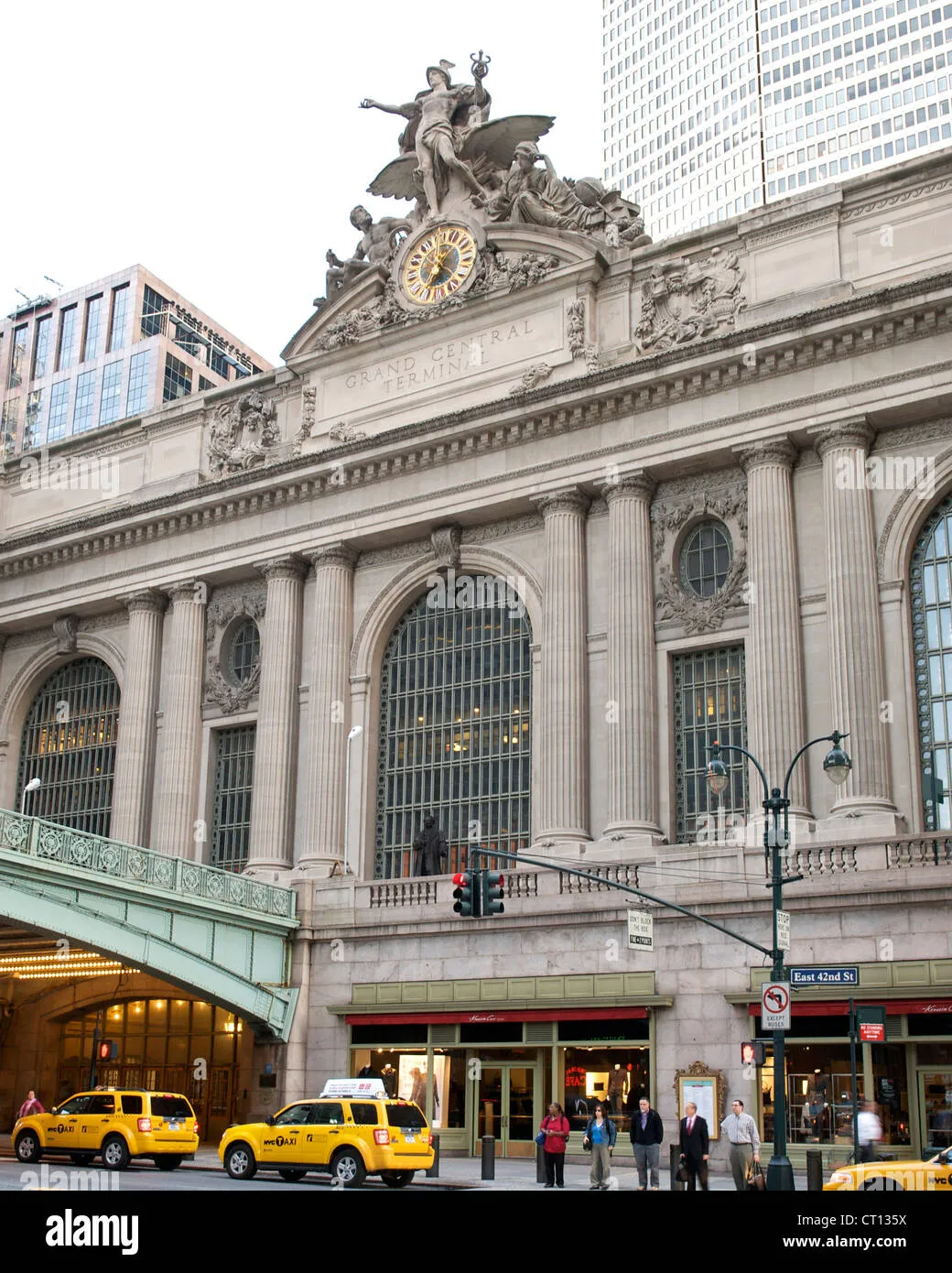 Photo: Grand Central Station, via c8.alamy.com
This consistency taught passengers that excellent service was possible anywhere, not just in major cities. The expectation of professional, courteous treatment became part of American dining culture, influencing everything from hotel restaurants to the corner café.
When the Tracks Shaped the Table
The physical constraints of train dining also influenced American food culture in unexpected ways. Dishes had to be stable enough to serve on a moving vehicle, leading to innovations in food preparation and presentation that restaurants later adopted. The need for efficient service in cramped quarters pushed the development of streamlined serving techniques that became standard in busy urban restaurants.
Even the timing of meals shifted. Dining cars operated on fixed schedules, introducing many Americans to the concept of designated meal times rather than eating whenever hunger struck. This structured approach to dining became part of middle-class American culture.
The End of the Rails, the Beginning of a Legacy
As air travel replaced long-distance train travel in the mid-20th century, dining cars faded from American life. But their impact on food culture proved permanent. The generation that learned fine dining on rails had taught their children, who taught theirs. The table manners, service expectations, and food appreciation that began in Pullman's dining cars became simply "how Americans dine."
Today, when you expect professional service at a restaurant, know which fork to use for salad, or appreciate a well-presented meal, you're drawing on lessons that millions of Americans first learned while watching the countryside roll by outside a dining car window. The railroad didn't just transport people across the continent—it transported an entire culture's understanding of what a meal could be.