A Nobleman's Gambling Addiction Accidentally Created America's Favorite Lunch
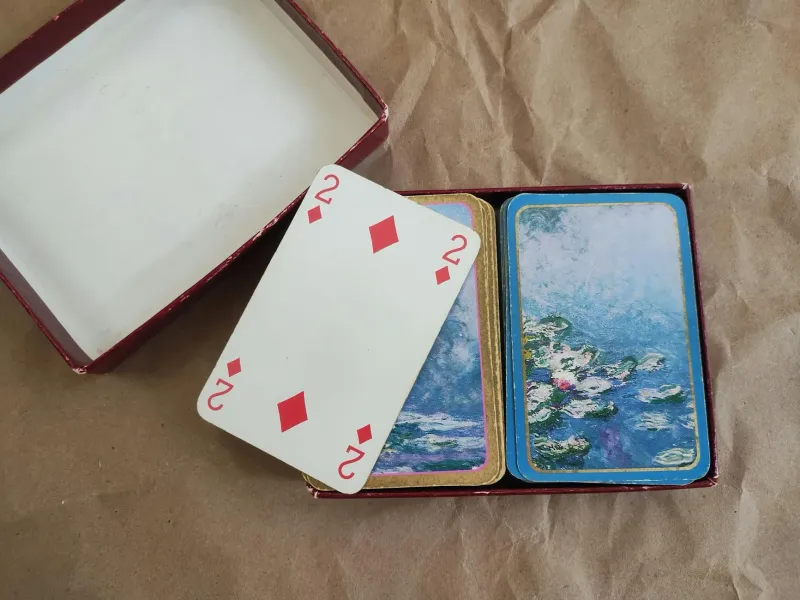
The Card Game That Changed History
Picture this: It's 1762 in London, and inside an exclusive gentlemen's club, a high-stakes card game has been raging for nearly 24 hours. The players are exhausted, their fortunes hanging in the balance with each hand dealt. But one man refuses to budge from his seat, even as servants announce dinner. John Montagu, the 4th Earl of Sandwich, waves them away with an irritated gesture. He's not about to abandon his cards for something as trivial as a proper meal.
What happened next would accidentally create the foundation of American lunch culture.
When Hunger Meets Stubborn Pride
Montagu had a problem. He was famously passionate about gambling—some would say addicted—and he'd been locked in this particular game for so long that his stomach was growling loud enough to distract the other players. But leaving the table meant forfeiting his position in what could be the hand of a lifetime.
So he called over a servant and made what seemed like a simple request: bring him some roast beef, but place it between two pieces of bread so he could eat it with one hand while continuing to hold his cards with the other. The servant obliged, and Montagu continued playing, occasionally taking bites of his makeshift meal without ever setting down his cards.
The other players watched with interest. Here was a solution they'd never considered—a way to eat a substantial meal without the fuss of plates, utensils, or proper dining etiquette.
From Aristocratic Shortcut to Social Phenomenon
Word of Montagu's clever eating method spread quickly through London's social circles. Within weeks, fashionable gentlemen were ordering "the same as Sandwich" at their clubs. The name stuck, and before long, people were simply asking for "a sandwich."
What started as one man's refusal to interrupt his gambling became the talk of high society. The sandwich represented something revolutionary: a meal that bent to your schedule rather than demanding you bend to its requirements. In an era when proper dining involved multiple courses, specific utensils, and rigid etiquette, the sandwich was almost rebellious in its simplicity.
But the Earl of Sandwich probably never imagined his quick fix would outlive his gambling debts and become a global phenomenon.
The Atlantic Crossing
The sandwich made its way to America through the usual channels—British colonists, travelers, and trade. But it was in America where this aristocratic convenience food truly found its calling. The New World was full of people who needed to eat quickly: farmers working long days, factory workers with short lunch breaks, and pioneers who couldn't afford lengthy meal times.
By the 1800s, American taverns and inns were serving sandwiches to travelers who needed to eat and run. The concept was perfect for a young nation built on movement and efficiency. Unlike the elaborate meals favored by European aristocracy, the sandwich was democratic—anyone could make one, eat one, and afford one.
Building a Lunch Revolution
The Industrial Revolution turned the sandwich from convenience food into necessity. As Americans moved from farms to factories, the traditional long midday meal became impossible. Workers needed something they could eat quickly at their stations or during short breaks. The sandwich delivered.
By the early 1900s, the American sandwich had evolved far beyond the Earl's simple roast beef between bread. Delis were stacking pastrami high on rye. Southern cooks were frying chicken and placing it between biscuits. The West Coast was experimenting with avocados and sprouts. Each region added its own twist, but the basic concept remained the same: a complete meal you could hold in your hands.
The Modern Sandwich Empire
Today, Americans consume more than 300 million sandwiches daily. From the corner bodega to high-end bistros, from packed school lunches to gourmet food trucks, the sandwich has become so fundamental to American eating that it's hard to imagine lunch without it.
Subway alone serves millions of sandwiches daily across thousands of locations. The deli counter has become a fixture in American grocery stores. Even our language has absorbed the sandwich—we "sandwich" appointments between meetings and create "sandwich generations" caring for both children and parents.
The Gambler's Lasting Legacy
John Montagu died in 1792, probably never realizing that his impatient solution to a gambling-induced hunger pang would become one of the world's most popular foods. He was remembered in his lifetime as a naval administrator and politician, but history remembers him for those two pieces of bread.
Every time you grab a sandwich for lunch, you're participating in a tradition that started with one man's refusal to leave a card game. The Earl of Sandwich was just trying to keep playing—he ended up creating a meal that would feed billions.
The next time you're running late and grab a sandwich to eat on the go, remember: you're doing exactly what a gambling-obsessed British nobleman did nearly 300 years ago. Some shortcuts, it turns out, are worth keeping.