The Lab Mistake That Put Sweet Poison in Every American Kitchen
The Night Everything Changed
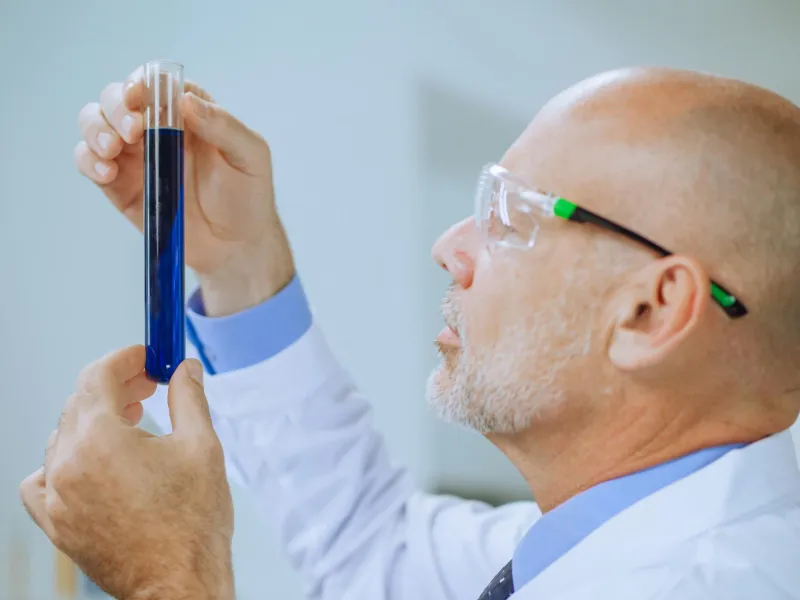
Constantine Fahlberg was exhausted. It was late evening in 1879, and the German chemist had been hunched over his workbench at Johns Hopkins University for hours, experimenting with coal tar derivatives. The black, sticky substance was a byproduct of gas production, and scientists were racing to find commercial uses for its chemical compounds.
Fahlberg was investigating benzoic sulfimide, hoping to create new dyes or preservatives. After a particularly long day of mixing, heating, and crystallizing various compounds, he finally called it quits. In his fatigue, he made a mistake that would change food history forever: he forgot to wash his hands.
When Fahlberg sat down to dinner that night, everything he touched tasted impossibly sweet. His bread, his napkin, even his fingers carried an intense sweetness unlike anything he'd ever experienced. Most people would have panicked, assuming they'd been poisoned. Fahlberg did something different — he went back to the lab.
Racing Back to the Scene of the Accident
That night, Fahlberg retraced every step of his experiment. He tasted each compound he'd worked with, methodically identifying the source of the mysterious sweetness. It was a risky move — coal tar derivatives weren't exactly known for being edible.
The culprit turned out to be a crystalline compound he'd created by oxidizing o-toluenesulfonamide. The substance was roughly 300 times sweeter than sugar, and a tiny amount could sweeten an entire cup of coffee. Fahlberg had stumbled onto something extraordinary: the world's first artificial sweetener.
He named it saccharin, from the Latin word for sugar, "saccharum."
From Lab Bench to American Tables
Fahlberg quickly realized he'd discovered something commercially valuable. In 1884, he partnered with businessman Adolph List to establish the first saccharin production facility. But saccharin's real breakthrough came during World War I, when sugar became scarce and expensive.
Suddenly, this laboratory accident became a wartime necessity. American households turned to saccharin as sugar rationing tightened. The tiny white tablets that dissolved into sweetness offered a way to maintain familiar tastes when familiar ingredients disappeared from store shelves.
The timing couldn't have been more perfect. As America entered the industrial age, people were looking for convenient, shelf-stable alternatives to traditional ingredients. Saccharin didn't spoil, didn't attract ants, and took up virtually no space in kitchen cabinets.
The Sweet Revolution Nobody Saw Coming
What started as a forgotten hand-washing became the foundation of an entire industry. Saccharin proved that sweetness didn't have to come from sugar cane or sugar beets. It demonstrated that chemistry could replicate — and even improve upon — nature's flavors.
By the 1960s, saccharin was everywhere. It sweetened diet sodas, sugar-free gum, and those little pink packets that appeared on restaurant tables across America. The compound that Fahlberg accidentally tasted had become so common that most Americans consumed it daily without thinking twice.
The artificial sweetener industry that saccharin launched now generates over $2 billion annually in the United States alone. Aspartame, sucralose, and stevia all followed the path that Fahlberg's dirty hands first carved.
Why This Lab Accident Still Matters
Today, as Americans consume more artificial sweeteners than ever before, Fahlberg's story feels surprisingly relevant. His accidental discovery happened during an era when food chemistry was just beginning to reshape what we eat and drink.
Saccharin's origin reveals something important about innovation: sometimes the biggest breakthroughs come from the smallest mistakes. Fahlberg wasn't trying to revolutionize sweetness — he was just a tired scientist who forgot to wash his hands after work.
That moment of carelessness gave birth to an industry that now touches nearly every American kitchen. From diet sodas to sugar-free desserts, the legacy of Fahlberg's unwashed fingers continues to shape how we think about food, health, and the role of chemistry in our daily lives.
The Lasting Taste of an Accident
Next time you tear open a packet of artificial sweetener or reach for a diet soda, remember Constantine Fahlberg's long night in that Baltimore laboratory. His forgotten hand-washing created more than just a sugar substitute — it opened the door to a world where chemistry and cuisine intersect in ways he never could have imagined.
Sometimes the most important discoveries happen when we're too tired to follow the rules.