How Economic Collapse Created America's Sweetest Childhood Memory
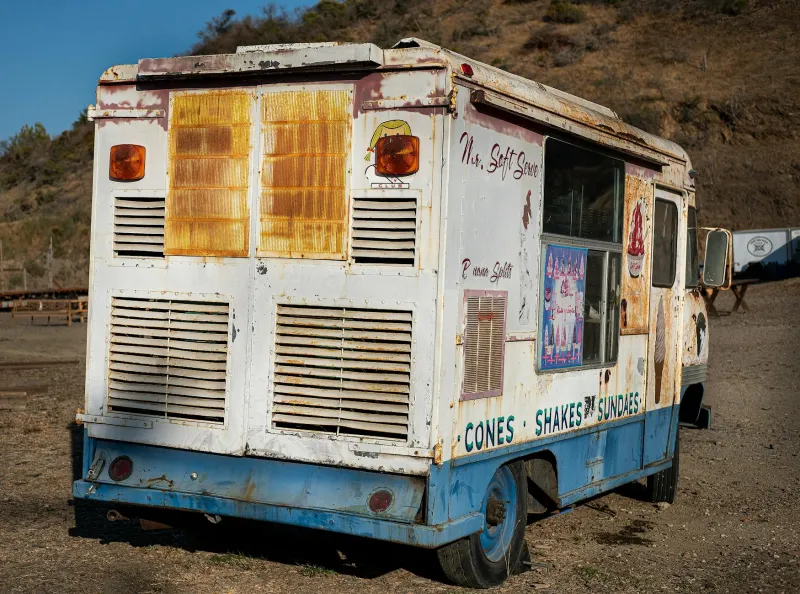
When Ice Cream Parlors Went Silent
By 1932, the Great Depression had shuttered ice cream parlors across America. Families who once treated Sunday afternoon sodas as routine luxuries now counted every penny. The elaborate ice cream socials that defined small-town social life disappeared along with the disposable income that supported them. Dairy companies watched their primary sales channels evaporate while milk cows still needed milking and cream still needed processing.
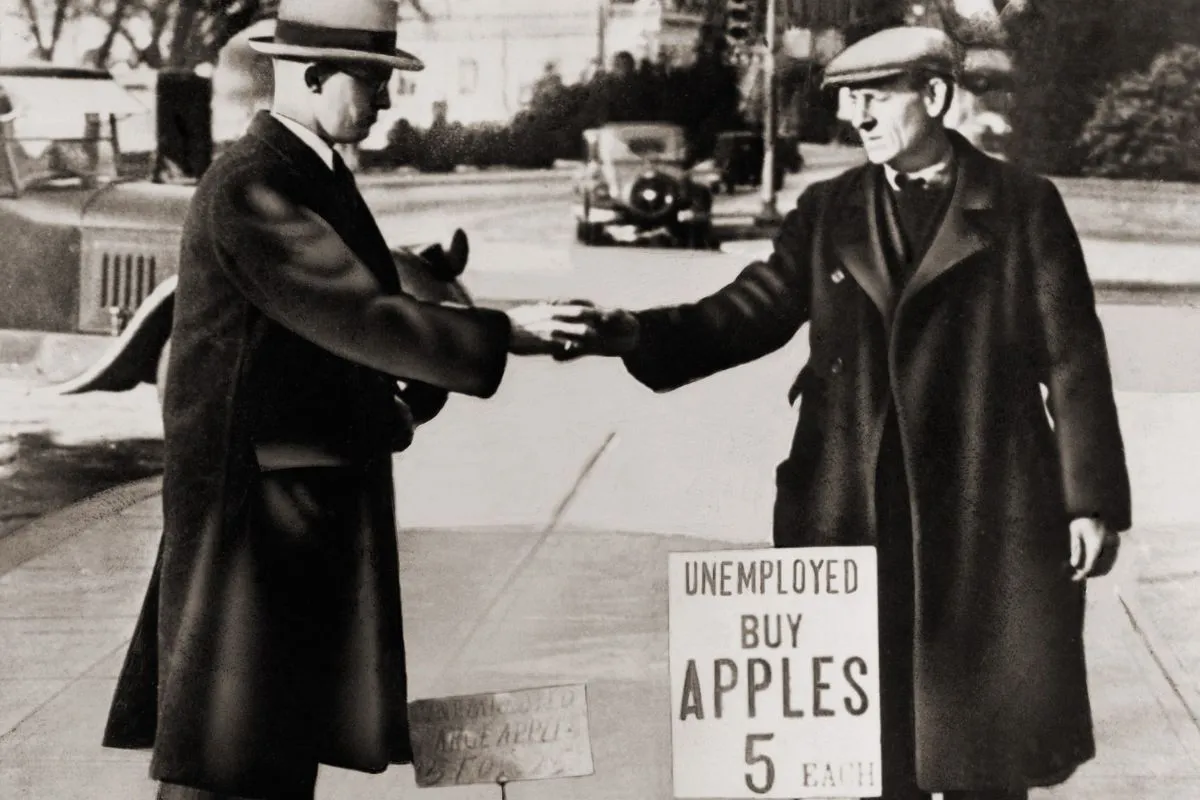 Photo: Great Depression, via www.delhimindclinic.com
In boardrooms from New York to California, ice cream executives faced an impossible question: how do you sell a luxury product when nobody has money for luxuries? The answer came not from marketing departments or business schools, but from pure desperation and a willingness to try anything that might generate cash.
 Photo: New York, via wallpapercave.com
The Survival Strategy Nobody Planned
The first ice cream trucks weren't trucks at all—they were whatever vehicles dairy companies could afford to modify. A bread delivery van here, a converted Model T there, anything with wheels that could hold a freezer box packed with dry ice. The concept was brutally simple: if customers couldn't come to the ice cream, ice cream would come to the customers.
Early operators loaded their makeshift vehicles with whatever inventory they could afford and drove through neighborhoods where families still lived, even if money was tight. The strategy targeted children specifically—not out of marketing savvy, but because kids were more likely to convince parents to spend a nickel on ice cream than adults were to justify the expense themselves.
The Sound That Started Everything
The famous ice cream truck jingle didn't emerge from some corporate brainstorming session about childhood nostalgia. It was stolen—borrowed, really—from urban pushcart vendors who had used bells and simple melodies for decades to announce their presence on busy city streets. Ice cream truck operators needed a way to alert potential customers without going door-to-door, so they adopted the audio advertising techniques that fruit vendors and knife sharpeners already used.
The early "music" was often just a hand-cranked bell or a simple horn. The elaborate musical boxes that would later play "Turkey in the Straw" or "The Entertainer" came later, as the business evolved from survival tactic to established trade. But that basic principle—use sound to announce your presence—transformed a desperate business model into an effective one.
The Accidental Psychology of Mobile Ice Cream
What dairy companies discovered by accident was that mobile ice cream sales tapped into psychology they never intended to exploit. The approaching music created anticipation and urgency that stationary ice cream parlors couldn't match. Children learned to associate the distant melody with immediate action—find money, find parents, get outside before the truck moved on.
This wasn't planned obsolescence or sophisticated marketing; it was the natural result of a business model based on constant movement. Operators couldn't afford to wait for customers to make decisions, so they created a purchasing environment that encouraged quick choices. The time pressure was real—miss the truck today, and you might not get another chance this week.
Building a Business on Quarters and Desperation
The economics of Depression-era ice cream trucks were harsh and simple. Operators bought inventory with whatever cash they could scrape together, packed it in dry ice that cost precious money, and drove routes that might or might not generate enough sales to cover gas and ice. Many failed within months.
But those who survived learned to read neighborhoods like maps. They discovered which streets had families with enough spare change for treats, which times of day produced the most sales, and how to balance inventory against spoilage. These weren't business school lessons—they were survival skills developed under extreme economic pressure.
The Unexpected Community Service
Ice cream trucks accidentally became more than businesses during the Depression—they became mobile morale boosters for communities struggling through the worst economic crisis in American history. The arrival of the truck represented a moment when normal childhood could still exist, when families could still afford small pleasures, when the future felt less bleak.
Operators often found themselves extending credit to regular customers, accepting IOUs from children whose parents would pay later, or simply giving away ice cream to kids who clearly needed the kindness more than they needed the money. These weren't corporate policies—they were human responses to human suffering that happened to involve ice cream.
From Crisis Response to Cultural Institution
As the economy eventually recovered, ice cream trucks could have disappeared back into the ice cream parlors and soda fountains that reopened in the 1940s and 1950s. Instead, they had accidentally created a market niche that prosperity couldn't eliminate. Children who had grown up chasing trucks during the Depression became parents who expected ice cream trucks for their own children.
The business model that emerged from economic desperation proved remarkably durable. Even as suburban families gained access to freezers, grocery store ice cream, and rebuilt disposable income, the ice cream truck retained its appeal because it offered something different: the experience of anticipation, the thrill of the chase, the community gathering that happened when the music started playing.
The Sweet Sound of American Resilience
Today's ice cream trucks, with their cheerful colors and nostalgic melodies, bear little resemblance to the desperate, improvised vehicles that first took to American streets during the Great Depression. But every time children hear that distant music and start running toward the sound, they're participating in a tradition born from one of America's darkest economic periods.
The ice cream truck wasn't designed to create childhood memories—it was designed to survive economic collapse. That it accidentally became one of America's most enduring symbols of innocent joy says something profound about human resilience and the unexpected places where happiness takes root. Sometimes the sweetest traditions emerge from the most bitter circumstances.