Blowing Out Candles Is One of the Oldest Things You Do at a Party — And Nobody Knows Why
Blowing Out Candles Is One of the Oldest Things You Do at a Party — And Nobody Knows Why
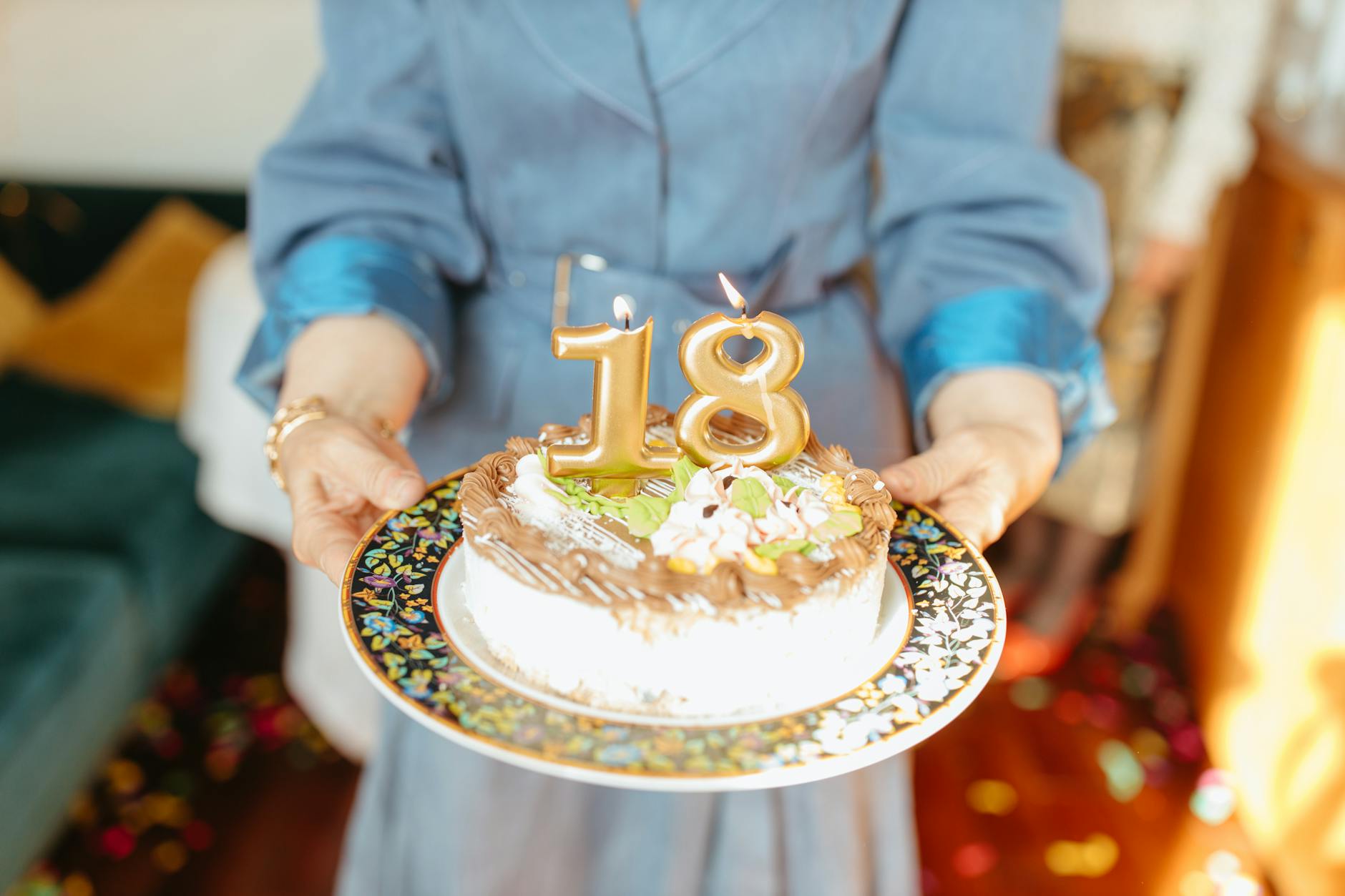
At some point this year, you will probably stand in a room while people sing at you. There will be a cake. There will be candles — one for each year, or maybe just a few for decoration. Someone will tell you to make a wish. You'll take a breath and blow.
You've done this your whole life. So has everyone you know. And almost none of you have ever stopped to ask: who decided this was the thing to do?
The answer is messier, older, and considerably more interesting than a simple birthday party.
The Moon Cake and the Goddess
The earliest thread in this story leads back to ancient Greece, and it involves neither birthdays nor children.
The Greeks baked round, honey-sweetened cakes to honor Artemis, the goddess of the moon and the hunt. The circular shape was deliberate — it represented the full moon, which was sacred to her. Candles were placed on or around these cakes to mimic the moon's glow, and the smoke from the flames was believed to carry prayers and wishes upward toward the gods.
This wasn't a celebration of someone's birth. It was a religious offering. But the basic visual — a round cake, lit candles, a moment of intention — was already in place.
Historians debate how directly this practice influenced what came later. The connection isn't a clean, documented line. But the imagery rhymes in ways that are hard to ignore.
Germany Brings It to the Table
The more traceable origin of the birthday candle tradition as we'd recognize it today shows up in 18th-century Germany, in a celebration called Kinderfest.
German families marked a child's birthday with a cake set on a table, candles lit around the edges — one for each year of the child's life, plus one additional candle representing the hope of the year ahead. The child was meant to blow out all the candles in a single breath. If they managed it, the wish made in that moment was said to come true.
This is where the mechanics of the modern tradition lock into place: the counting of years, the single breath, the wish. It was participatory, slightly ceremonial, and designed to make the child feel like the center of something meaningful.
The practice spread gradually across German-speaking regions and began migrating with immigrant communities as they moved throughout Europe and, eventually, to America.
How It Crossed the Atlantic
German immigration to the United States was substantial throughout the 1800s, and cultural traditions traveled with those communities. German-American families brought Kinderfest customs into their new neighborhoods, and the birthday cake with candles began appearing in American domestic life well before it became a standardized ritual.
One of the earliest known written references to the American birthday cake tradition appears in the late 19th century, and by the early 20th century, the practice was common enough to show up in etiquette guides and domestic manuals. The rise of commercial baking and the increasing availability of both birthday cakes and manufactured candles made the whole thing easier to replicate at home.
But it was the postwar period — the 1940s and 1950s — that really cemented it. As suburban home life expanded, birthday parties became a childhood institution. Department stores sold birthday supplies. Bakeries offered decorated cakes. The birthday candle became a product category of its own, manufactured in bulk and sold in every grocery and five-and-dime in the country.
What had once been a folk tradition became a standardized consumer moment.
The Wish That Nobody Can Explain
Here's the part that doesn't get examined enough: the wish.
The instruction to make a wish before blowing out the candles is one of the most universally followed pieces of party etiquette in America, and its origins are genuinely unclear. The Greek smoke-as-prayer theory offers one explanation. The German tradition of the extra candle for the coming year offers another. Some folklorists connect it to much older beliefs about breath carrying intention, or about fire as a threshold between the ordinary and the sacred.
What's certain is that by the time American birthday party culture was fully formed, the wish had become non-negotiable. You don't skip it. You don't explain it. You just close your eyes for a second, think something hopeful, and blow.
A Ritual Older Than the Party
The next time you're standing at a table watching someone lean toward a lit cake, it's worth sitting with the full weight of what you're watching. That moment — the glow, the breath, the smoke rising — has roots in Greek religious offerings, German childhood celebrations, immigrant cultural memory, and a century of American consumer culture all pressing down on a single instant.
Nobody planned it this way. It layered itself together across thousands of years and thousands of miles until it felt so natural that questioning it seems almost rude.
That's usually how the oldest traditions work. They don't announce themselves. They just keep showing up at the table until you forget there was ever a time before them.