The Government Cheese Program That Accidentally Created America's Ultimate Comfort Food
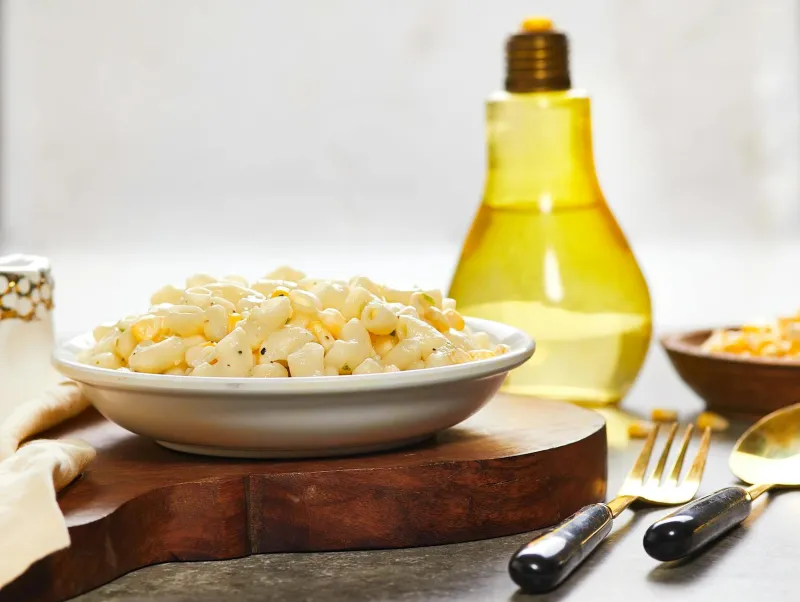
When Hospitals Needed Cheap Nutrition
In 1937, a Kraft company chemist named Edwin Traisman wasn't thinking about childhood comfort food. He was solving a practical problem: how to feed large numbers of people nutritious meals without breaking institutional budgets.
Hospitals, military facilities, and government cafeterias needed something that could feed hundreds of people at once, provide decent nutrition, and cost almost nothing to prepare. Fresh ingredients were expensive and spoiled quickly. Canned goods were limited. What they needed was something shelf-stable, nutritious, and filling.
Traisman's solution was to create a powdered cheese sauce that could be reconstituted with milk and mixed with dried pasta. The result wasn't gourmet, but it was exactly what institutions needed: cheap, filling, and surprisingly satisfying.
The Depression Changes Everything
When the Great Depression hit, Kraft's institutional mac and cheese suddenly found a much larger audience. Families struggling to put food on the table discovered that a single box could feed four people for about 19 cents — the equivalent of roughly $4 today.
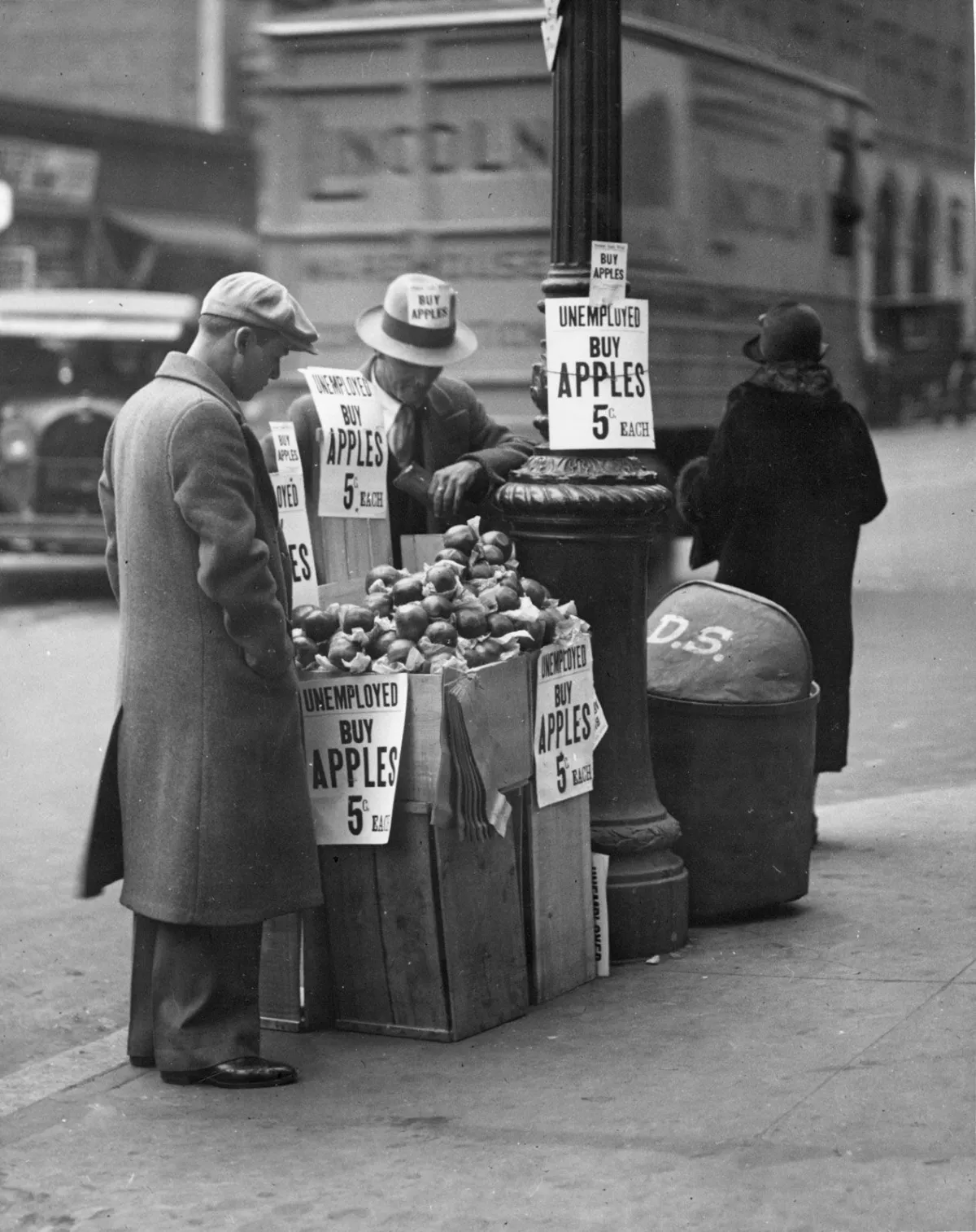 Photo: Great Depression, via cdn.britannica.com
But the real breakthrough came through government programs designed to help struggling Americans. The federal government, dealing with massive unemployment and food insecurity, started purchasing Kraft's institutional mac and cheese in bulk to distribute through relief programs.
Suddenly, mac and cheese wasn't just hospital food anymore. It was showing up in homes across America, introduced by government assistance programs to families who'd never heard of it before.
World War II Seals the Deal
If the Depression introduced mac and cheese to American families, World War II made it a permanent fixture. Rationing meant that fresh dairy products, meat, and many other ingredients became scarce or expensive.
 Photo: World War II, via img-s-msn-com.akamaized.net
Mac and cheese, however, required no fresh ingredients and no rationed items. The dried pasta and powdered cheese could sit on shelves for months without spoiling. For families dealing with wartime shortages, it represented reliable nutrition that didn't depend on what was available at the market that week.
Kraft marketed directly to this reality, advertising mac and cheese as a "hearty meal without meat" and emphasizing how one box could stretch to feed a whole family. The company sold over 80 million boxes in 1943 alone.
From Survival Food to Childhood Memory
Something interesting happened in the post-war years. Children who'd grown up eating mac and cheese during the Depression and World War II didn't abandon it when times got better. Instead, they associated it with home, family meals, and comfort.
These kids became the parents of the 1950s and 1960s, and they passed mac and cheese along to their own children — not as survival food, but as a family tradition. The dish that had started in hospital kitchens and government relief programs became synonymous with childhood and home cooking.
By the 1960s, Kraft was selling mac and cheese not to institutions or struggling families, but to middle-class households who chose it because their kids loved it and it reminded parents of their own childhoods.
The Science of Comfort
Why did mac and cheese become such a powerful comfort food? Part of it was timing — it arrived in American homes during some of the most challenging periods in modern history, when families needed affordable, reliable nutrition.
But there's something deeper happening. The combination of carbohydrates from pasta and fats from cheese triggers genuine physiological comfort responses. The warm, creamy texture appeals to sensory memories of early childhood. And the bright orange color — artificially enhanced even in the original hospital versions — creates visual associations with warmth and richness.
Nutrition researchers have found that foods we associate with care and comfort during childhood continue to provide psychological comfort throughout our lives. Mac and cheese hit American homes at exactly the right moment to become embedded in those early comfort memories.
Beyond the Blue Box
Today, mac and cheese has evolved far beyond its institutional origins. High-end restaurants serve truffle mac and cheese for $30 a plate. Food trucks build entire businesses around gourmet versions. Home cooks experiment with artisanal cheeses and handmade pasta.
But the blue box remains. Kraft still sells over a million boxes of mac and cheese every day in the United States. College students rely on it. Parents keep it in pantries for quick dinners. Adults eat it alone when they want something that tastes like childhood.
The Accidental Icon
It's worth remembering that none of this was planned. Edwin Traisman was trying to solve an institutional feeding problem, not create an American icon. The government programs that spread mac and cheese across the country were focused on nutrition and economics, not culture.
But sometimes the most enduring cultural phenomena emerge from purely practical solutions. Mac and cheese succeeded because it met immediate needs — cheap nutrition during hard times — and then evolved into something much more significant.
That orange powder in the blue box carries the weight of American history: Depression-era resourcefulness, wartime rationing, post-war prosperity, and childhood memories spanning generations. What started as hospital food became the taste of home.
Every time you see that familiar blue box in a grocery store, you're looking at a piece of American social history that accidentally became comfort food.