The Glass Jar That Saved America's Lunch and Never Left
The Death Toll Hidden in America's Pantries
In 1858, families across America were dying from their own dinner tables. Food poisoning wasn't just an inconvenience—it was a national crisis. Preserved foods spoiled unpredictably, and there was no reliable way to keep anything fresh beyond a few days. Enter John Landis Mason, a New York tinsmith who was tired of watching good food go bad.
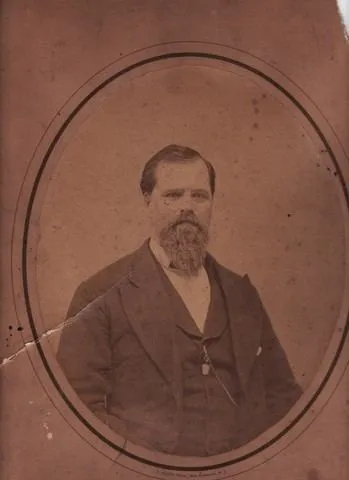 Photo: John Landis Mason, via alchetron.com
Mason's solution seemed almost stupidly simple: a glass jar with a threaded neck and a rubber-sealed metal lid. Patent number 22,186, filed November 30, 1858, would accidentally change how Americans ate for the next 165 years.
From Farmhouse to Factory Floor
The mason jar's first life was purely practical. Farm families used them to preserve everything—vegetables, fruits, even meat. The airtight seal meant food could survive months without spoiling, transforming seasonal abundance into year-round sustenance.
But something unexpected happened during America's industrial boom. Factory workers, many of them former farmers, started carrying their lunches to work in these same glass jars. Unlike cloth bags or metal tins, mason jars kept food fresh, were easy to clean, and could hold both solids and liquids without leaking.
By the 1920s, the sight of workers carrying glass jars to steel mills and textile factories was as common as smokestacks on the horizon. The jar had evolved from preservation tool to portable dining room.
The Accidental Food Safety Revolution
What Mason couldn't have predicted was how his rubber seal would accidentally solve America's food safety crisis. Before his invention, home canning was essentially guesswork. Families used wax, cork, or cloth to seal containers, methods that failed as often as they succeeded.
The mason jar's reliable seal meant families could safely preserve food at home, reducing dependence on questionable commercial products. This wasn't just convenient—it was lifesaving. The jar's design helped standardize home canning practices, dramatically reducing food-borne illness across the country.
The Great Depression's Lunch Hero
During the 1930s, when every penny mattered, the mason jar became even more essential. Families couldn't afford to waste food or buy expensive lunch containers. The jars were reusable, durable, and cost almost nothing after the initial purchase.
Workers carried everything in them—soup, stew, leftover dinner, even coffee. The wide mouth made them easy to fill and eat from. The clear glass let people see what they were eating, crucial when food quality was uncertain.
The Corporate Empire Built on Glass
Mason's simple design spawned an entire industry. Ball Corporation, founded in 1880, built their empire manufacturing these jars. Kerr Glass Manufacturing followed. By the mid-20th century, billions of mason jars were being produced annually.
The canning industry exploded alongside jar production. Companies like Heinz and Campbell's owed their existence partly to Mason's invention—reliable home preservation created the market for commercial canning.
The Modern Resurrection
Sometime in the 2000s, the mason jar experienced an unlikely renaissance. Craft cocktail bars started serving drinks in them. Restaurants used them for everything from salads to desserts. Pinterest exploded with "mason jar crafts."
This wasn't just trendy nostalgia. In an age of plastic everything, the glass jar represented authenticity, sustainability, and connection to simpler times. The same qualities that made it perfect for 1920s factory workers made it irresistible to 21st-century consumers seeking "real" experiences.
The Lunch Container That Won't Die
Today, walk into any Whole Foods, and you'll find mason jars filled with overnight oats, salads, and smoothies. The same jars that carried miners' lunches in 1920s Pennsylvania now hold $12 açaí bowls in Brooklyn.
The mason jar succeeded because it solved a fundamental problem: keeping food fresh and portable. Every innovation since—Tupperware, thermal bags, bento boxes—has tried to improve on Mason's basic formula. None have replaced it.
Why We Still Choose Glass
In our age of advanced materials and smart containers, Americans still reach for a 165-year-old glass jar when they want their food to feel wholesome and authentic. The mason jar represents something plastic containers can't: a connection to when food was simpler, more honest, and made at home.
That's the real genius of Mason's invention. He didn't just create a better container—he accidentally designed a symbol of American self-reliance that would outlast every trend, economic crisis, and cultural shift for more than a century and a half.
Every time you pack lunch in a mason jar, you're participating in a ritual that connects you to generations of American workers who carried their meals in the exact same container. Some traditions are too practical to ever go out of style.