When Dutch Sailors Accidentally Created the Spirit That Built America's Bar Scene
The Problem with Shipping Wine
Picture this: you're a Dutch merchant in 1624, staring at barrels of French wine that need to make it across the Atlantic without spoiling. Wine doesn't travel well. It takes up massive cargo space, and half your shipment turns to vinegar before reaching port. You're losing money on every voyage.
The solution seemed logical enough — concentrate the wine by removing the water, ship the concentrated liquid, then add water back at the destination. Simple preservation chemistry, right?
Except nobody planned on what happened next.
The Accident That Changed Everything
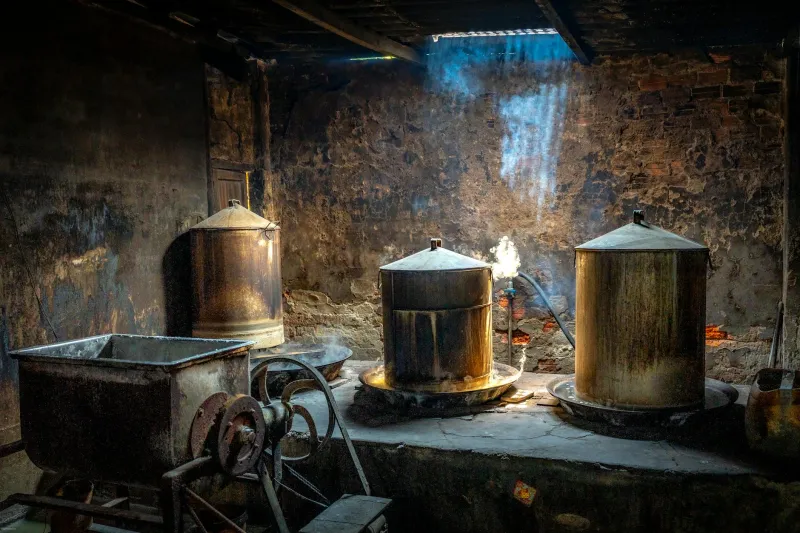
Dutch traders called their concentrated wine "brandewijn" — literally "burnt wine" in Dutch. The process involved heating wine in copper stills until the alcohol separated from the water, creating a potent, amber-colored liquid that took up half the space and wouldn't spoil during long ocean voyages.
But when merchants finally reached their destinations and tasted their concentrated wine, something unexpected had happened during the distillation process. The heat hadn't just removed water — it had fundamentally transformed the wine into something entirely different. The harsh, acidic bite of wine had mellowed into something smooth and complex. The copper stills had added subtle flavors. Time in wooden barrels during transport had created notes nobody anticipated.
Instead of adding water back to recreate wine, merchants started selling the concentrated liquid as-is. Customers weren't just willing to pay wine prices for this "burnt wine" — they'd pay significantly more.
From Shipping Hack to Status Symbol
Word spread quickly through European trading ports. This wasn't just preserved wine anymore — it was a luxury product. The accidental discovery had created something that commanded premium prices and attracted wealthy customers who'd never shown interest in regular wine.
French winemakers, initially annoyed that Dutch traders were buying their wine just to "ruin" it through distillation, quickly realized they could cut out the middleman. They started distilling their own wine, perfecting techniques the Dutch had stumbled upon by accident.
The Cognac region of France became particularly famous for their version of brandewijn — eventually shortened to "brandy" in English. What started as a Dutch shipping solution became France's most celebrated export.
Crossing the Atlantic
When European colonists arrived in America, they brought brandy-making knowledge with them. But American brandy took on its own character, shaped by different fruits, different climates, and different needs.
Apple brandy became particularly popular in colonial America — partly because apple orchards were easier to establish than vineyards, and partly because apples were already being fermented into cider. American distillers discovered that the same accident that had transformed European wine could work magic on fermented apple juice.
By the 1700s, apple brandy was so common in American households that it was often used as currency. George Washington himself operated a whiskey distillery, but he also produced apple brandy at Mount Vernon.
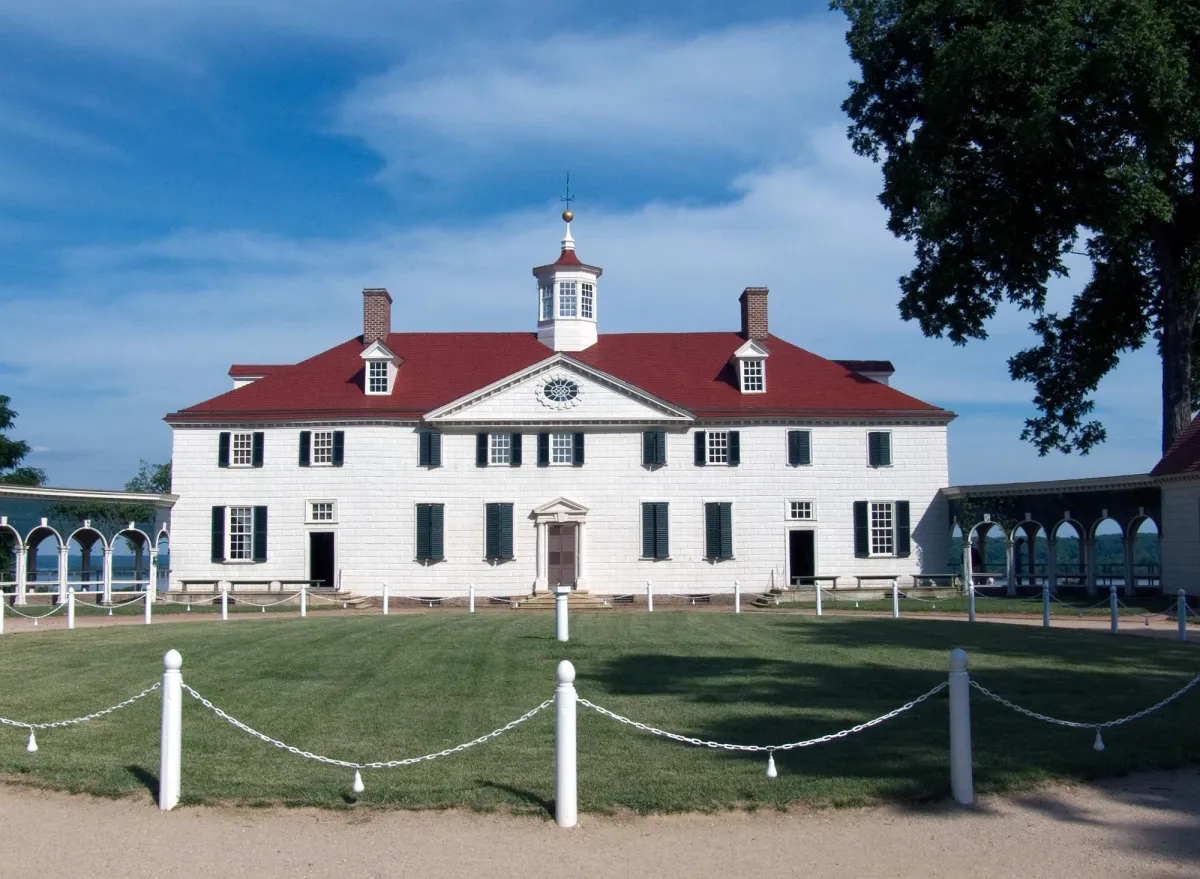 Photo: Mount Vernon, via allthingsliberty.com
The Foundation of American Cocktail Culture
Brandy's role in American drinking culture goes far beyond colonial homesteads. When bartenders in the 1800s started experimenting with mixed drinks, brandy became a cornerstone ingredient. Its complex flavors and smooth finish made it perfect for cocktails.
The Brandy Alexander, the Sidecar, the Metropolitan — these classic American cocktails all built their reputations on a spirit that was never supposed to exist in the first place.
Even today, when craft cocktail bars talk about "heritage spirits" and "traditional techniques," they're often referring back to that original Dutch shipping accident. High-end restaurants stock aged cognacs and artisanal brandies that trace their lineage directly to those first concentrated wine experiments.
The Legacy of a Mistake
It's remarkable how often our most celebrated discoveries start as solutions to completely different problems. Dutch traders weren't trying to invent a luxury spirit — they were just trying to ship wine more efficiently.
But that practical shipping hack created an entire industry. French cognac houses like Hennessy and Rémy Martin built centuries-long reputations on perfecting what started as an accident. American craft distillers today spend years aging brandies in oak barrels, carefully controlling processes that Dutch sailors stumbled into by necessity.
The next time you see brandy behind a bar or cognac on a restaurant's spirits menu, remember: none of it was supposed to exist. It all started with merchants trying to solve a shipping problem, and accidentally creating something far more valuable than what they'd started with.
Sometimes the best discoveries happen when you're not looking for them at all.