The Dry Decade That Built America's Coffee Shop on Every Corner
When America Lost Its Living Rooms
January 17, 1920, changed more than America's drinking habits. When Prohibition became law, it didn't just ban alcohol—it accidentally destroyed the social infrastructure that held American communities together. Neighborhood saloons weren't just places to drink; they were informal town halls, employment offices, and social clubs rolled into one.
Overnight, millions of Americans lost their primary gathering place. The question wasn't just where to get a drink—it was where to meet friends, conduct business, or simply sit somewhere that wasn't home or work.
The answer came from an unexpected source: the humble ice cream parlor.
The Marble Counter Revolution
Before Prohibition, soda fountains and ice cream parlors existed on society's margins. They served families, children, and women—groups largely excluded from saloon culture. These establishments were clean, well-lit, and respectable, everything that saloons supposedly weren't.
But when bars shuttered across America, these marginal businesses suddenly found themselves at the center of American social life. Almost overnight, soda fountains transformed from quaint family destinations into the beating heart of community gathering.
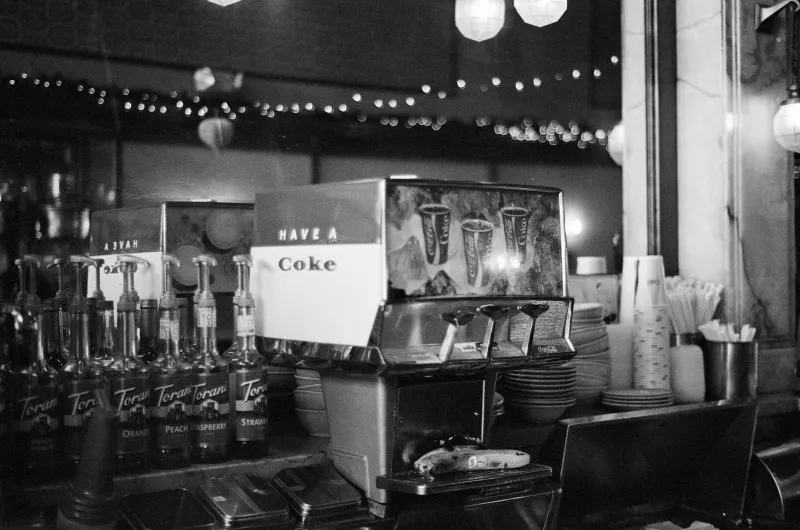
The physical setup was perfect for this new role. Long marble counters encouraged strangers to sit side by side. Swiveling stools made conversation easy. The open design meant everyone could see and be seen, creating the semi-public atmosphere that had made saloons so socially important.
The Sophisticated Substitute
Soda fountain owners quickly realized they were serving a different clientele with different needs. The businessmen, laborers, and community leaders who once gathered at bars now needed somewhere else to meet. Ice cream parlors adapted by expanding their offerings and extending their hours.
Strong coffee became central to this transformation. While families might order ice cream sodas and egg creams, the former bar crowd needed something more substantial. Coffee provided the ritual of shared consumption that had been so important to saloon culture, minus the legal complications.
These establishments began serving coffee throughout the day, not just with dessert. They added newspapers, created comfortable seating areas, and encouraged customers to linger. The goal was to recreate the social atmosphere of the neighborhood bar while maintaining respectability.
The Birth of American Coffee Culture
Before Prohibition, Americans were primarily tea drinkers in social settings. Coffee was a breakfast drink or a quick pick-me-up, not something you savored with friends. The transformation of soda fountains changed this completely.
Sitting at a marble counter with a cup of coffee became the new way to conduct business, catch up with neighbors, or simply watch the world go by. The ritual of ordering, waiting, and slowly consuming a hot beverage while surrounded by the gentle hum of conversation created a new kind of American social experience.
This wasn't the hurried coffee consumption we associate with commuter culture. These were leisurely affairs, where a single cup might last an hour or more. The social aspect was more important than the caffeine.
The Community Void Filled
Soda fountains during the 1920s served the same social functions that neighborhood bars had provided for generations. They became informal job markets where workers learned about opportunities. Local business deals were struck over egg creams instead of whiskey. Political discussions happened around coffee cups rather than beer mugs.
The establishments even adopted some of the physical markers of saloon culture. Many installed large mirrors behind their counters, not unlike those found in bars. Regulars had their preferred spots and usual orders. Proprietors knew customers by name and kept track of neighborhood news.
The main difference was inclusion. While saloons had been largely male spaces, soda fountains welcomed everyone. This democratization of social gathering space had profound effects on American community life.
The Architecture of Gathering
By the mid-1920s, successful soda fountains were designing their spaces specifically for social interaction. Counters were lengthened to accommodate more customers. Booth seating was added for private conversations. Some establishments created reading areas with newspapers and magazines.
The most successful parlors understood they were selling more than refreshments—they were selling social experience. The physical environment needed to encourage both casual interaction and comfortable solitude.
This architectural evolution would later influence how coffee shops were designed throughout the 20th century. The balance between communal and private space, the importance of sight lines, the role of the counter as social focal point—all of these elements were perfected during Prohibition.
The Economic Engine
The transformation of ice cream parlors into community centers proved incredibly profitable. These businesses discovered that customers would pay premium prices for the social experience, not just the product. A cup of coffee that cost pennies to make could sell for a quarter when served in the right atmosphere.
This economic model—selling ambiance and social connection along with beverages—would become the foundation of modern coffee shop culture. The markup wasn't just on the product; it was on the experience of belonging somewhere.
The Legacy That Survived Repeal
When Prohibition ended in 1933, many predicted that soda fountains would lose their prominence as bars reopened. But something unexpected happened: the coffee shop culture they had created proved more durable than the circumstances that created it.
Americans had discovered they enjoyed the civilized ritual of gathering over non-alcoholic beverages. The inclusive atmosphere of soda fountains appealed to families, women, and professionals in ways that traditional bars never had.
Even as bars reopened, coffee shops maintained their role as community gathering spaces. They had successfully established a new American tradition.
From Marble to Modern
The direct line from Prohibition-era soda fountains to modern coffee chains is clear once you know what to look for. The emphasis on comfortable seating, the importance of creating "third place" environments, the focus on coffee as a social beverage—all of these elements originated in 1920s ice cream parlors.
Starbucks didn't invent American coffee culture; they refined and systematized traditions that were nearly a century old. The idea that strangers would willingly sit near each other while consuming expensive hot beverages in a semi-public space was proven viable during the driest decade in American history.
The Accidental Social Revolution
Prohibition's unintended consequence was the democratization of American social gathering. By forcing communities to find alternatives to male-dominated saloons, the era accidentally created more inclusive social spaces.
The soda fountain culture of the 1920s established that Americans wanted places to gather that were more sophisticated than bars but more social than home. This insight would drive the development of coffee shop culture for the next century.
Every time you meet a friend at Starbucks or work remotely from a local café, you're participating in a social ritual that began when America went dry. The coffee shop on every corner isn't just about caffeine—it's the descendant of ice cream parlors that accidentally became America's new living rooms during the decade when alcohol disappeared.