When America's Workers Fought Their Way to a Lunch Hour
The Break That Built America
At exactly 12:00 PM, offices across America empty as millions of workers head out for lunch. This synchronized pause feels so natural, so biologically inevitable, that we rarely question why it happens when it does—or why it happens at all. But the American lunch break isn't a biological necessity. It's the hard-won result of industrial warfare, railroad logistics, and workers who refused to accept that their employers owned every minute of their day.
Before the Break: When Workers Ate Like Peasants
In the early 1800s, American workers ate when they could, not when they wanted. Farm laborers consumed meals based on seasonal daylight and crop demands. Early factory workers brought cold food from home and ate it at their stations while machines continued running around them.
There was no concept of a "lunch hour" because there was no standardized workday. Some factories ran from dawn to dusk, others operated in shifts determined by available light or raw material deliveries. Workers ate stale bread and cold meat whenever supervisors weren't watching, often standing at their posts to avoid accusations of laziness.
The Railroad's Scheduling Revolution
Everything changed when America's railroad network exploded in the 1860s and 1870s. Suddenly, factories needed to coordinate with train schedules for both raw material deliveries and finished product shipments. This created the first pressure for standardized work schedules.
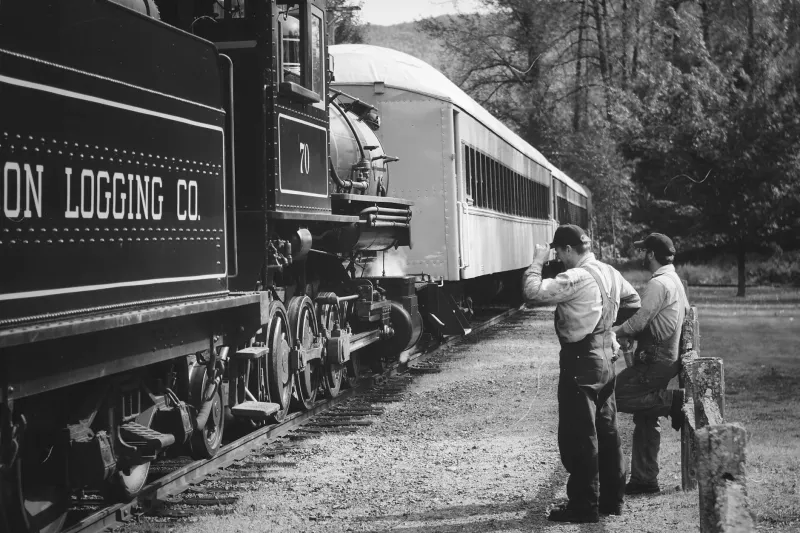
Railroad companies themselves faced a unique challenge: feeding workers during long shifts while maintaining precise departure times. They began implementing fixed meal breaks at major stations, not out of worker sympathy, but because hungry engineers made costly mistakes and delayed trains caused expensive scheduling conflicts.
This railroad meal timing—typically around noon when trains reached major depot cities—began influencing factory schedules in industrial centers. If the railroad workers in town ate at noon, factory owners found it easier to synchronize their own operations around the same schedule.
The Great Labor Uprising of 1877
The turning point came during the Great Railroad Strike of 1877, when wage cuts and deteriorating working conditions sparked nationwide labor unrest. While most attention focused on wages and hours, meal breaks became a surprising point of contention.
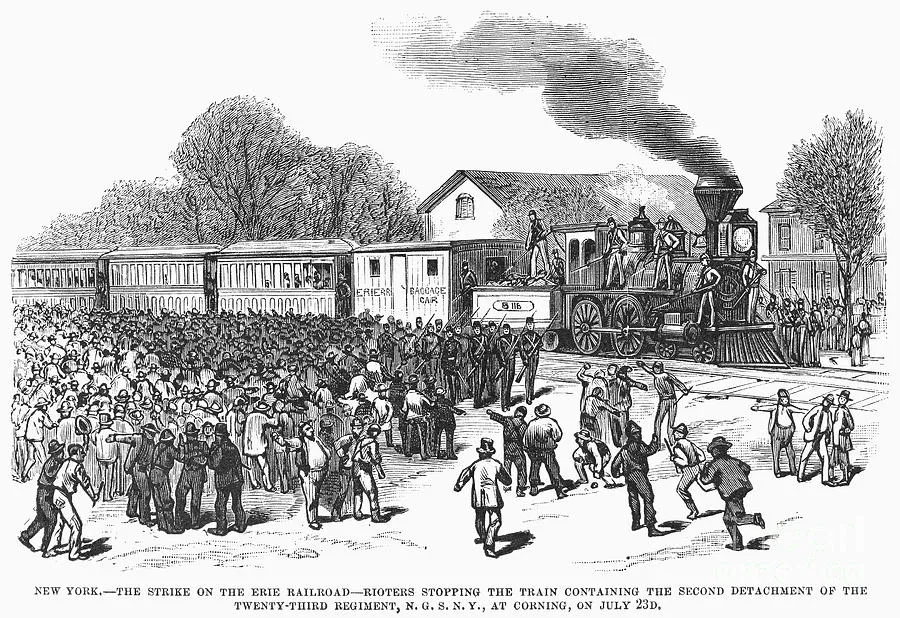 Photo: Great Railroad Strike of 1877, via shared.prolewiki.org
Workers discovered that coordinated meal times gave them power. When entire shifts stopped working simultaneously, production ground to a halt in ways that scattered individual breaks never could. Factory owners suddenly faced a choice: grant formal meal breaks or deal with spontaneous work stoppages that they couldn't predict or control.
The strike demonstrated that synchronized breaks weren't just about food—they were about worker solidarity and the ability to collectively negotiate with management.
The Factory Floor Compromise
By the 1880s, progressive factory owners began institutionalizing the midday break as a management strategy. They realized that well-fed workers were more productive, and predictable break times allowed for better production planning.
But the timing wasn't arbitrary. Noon became standard because it split the workday evenly, allowed for coordination with railroad schedules, and coincided with natural energy dips that workers experienced anyway. Factory owners found that fighting biology was more expensive than accommodating it.
The break duration—typically 30 to 60 minutes—represented a careful calculation. Long enough for workers to eat and briefly rest, but short enough to maintain production quotas and prevent the socializing that might lead to union organizing.
From Factory to Office: The White-Collar Adoption
As America's economy shifted from manufacturing to office work in the early 20th century, the lunch break migrated from factory floors to corporate offices. But the reasoning changed entirely.
For white-collar workers, lunch breaks became symbols of professional status rather than hard-won labor rights. Taking a proper lunch hour demonstrated that you weren't a mere factory hand eating cold food at your station—you were a professional with the autonomy to leave your workplace.
Businessmen began conducting deals over lunch, turning the meal break into an extension of work rather than a respite from it. This transformed the lunch hour from a worker protection into a business tool.
The School Bell Connection
America's school systems adopted the industrial lunch schedule almost immediately, but for different reasons. Schools needed to coordinate with parents' work schedules for family meal planning, and the noon break allowed teachers—who were increasingly drawn from the growing pool of educated women—to have respite from classroom management.
More importantly, schools were deliberately preparing students for industrial work. Teaching children to eat at prescribed times, in designated areas, for specific durations was considered essential job training for America's future workforce.
The Modern Legacy of Industrial Timing
Today's lunch break retains the precise timing that emerged from 19th-century labor conflicts, even though most Americans work in offices that bear no resemblance to the factories where the tradition began. We still eat at noon because railroad schedules demanded it 150 years ago, and because workers fought for the right to do so collectively.
The synchronized nature of the American lunch break—millions of people eating at exactly the same time—reflects its industrial origins. Unlike European meal traditions that emphasize leisure and social connection, the American lunch hour remains fundamentally shaped by the efficiency demands and labor politics of the Industrial Revolution.
Every time you glance at the clock at 11:45 AM and start thinking about lunch, you're responding to rhythms established by striking railroad workers and factory hands who refused to let their employers control every minute of their lives. The lunch break isn't just about food—it's about the fundamental American belief that workers deserve to be treated as human beings rather than industrial machinery.
The Hour That Changed Everything
What began as a logistical necessity for railroad coordination became a labor battleground, then evolved into a symbol of professional autonomy. The American lunch break represents one of the most successful worker victories in industrial history—so successful that we've forgotten it was ever a fight at all.