She Expected Melted Chocolate. She Got a Revolution Instead.
She Expected Melted Chocolate. She Got a Revolution Instead.
There's a version of history where the chocolate chip cookie never exists. Where Ruth Wakefield simply runs out of baker's chocolate one afternoon, substitutes something else, and moves on with her day. Where no one writes anything down, no deal gets made, and the snack aisle at every grocery store in America looks completely different.
That's not what happened.
The Inn That Started It All
In 1930, Ruth Wakefield and her husband Kenneth purchased a tourist lodge along the old Boston-to-New Bedford highway in Whitman, Massachusetts. They named it the Toll House Inn — a nod to the fact that the 1709 building had once served as a literal toll house, where travelers paid their road fees and rested their horses.
Ruth wasn't just a landlady. She was a trained dietitian and a genuinely skilled cook who took the inn's kitchen seriously. The Toll House developed a reputation for homemade food, and guests made a point of stopping there specifically for the meals. Ruth ran the kind of kitchen where recipes were treated like craft.
She also had a habit of experimenting.
The Afternoon Everything Changed
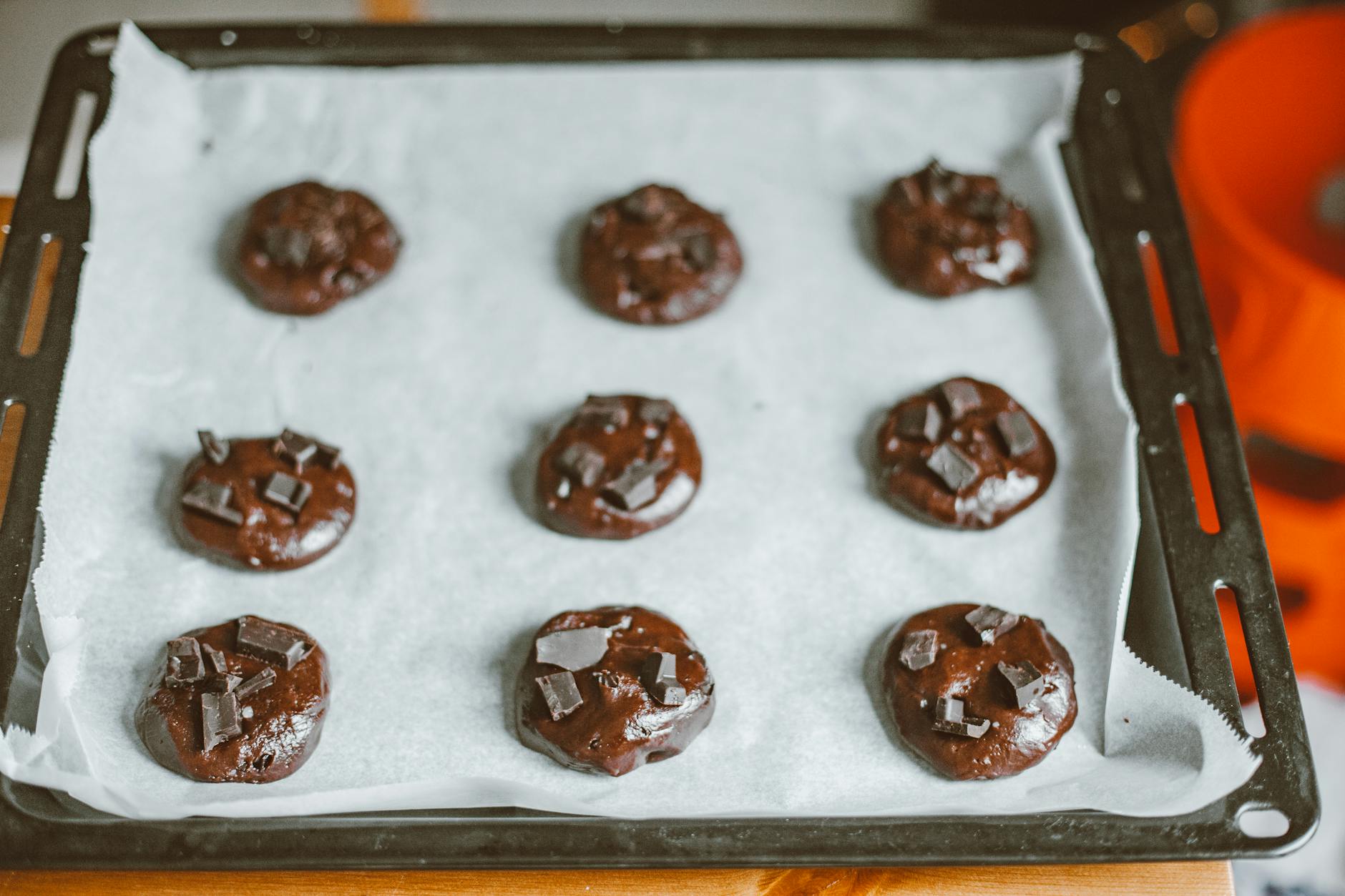
The exact date gets blurry depending on who's telling the story, but most accounts point to 1938. Ruth was preparing a batch of Butter Drop Do cookies — a classic recipe that called for melted baker's chocolate folded into the dough. According to the most widely repeated version of events, she chopped up a Nestlé semi-sweet chocolate bar and mixed the pieces in, assuming the heat of the oven would melt the chunks into the dough the way baker's chocolate would.
It didn't melt. The pieces softened, held their shape, and stayed gooey in the center while the dough baked firm around them.
What came out of that oven wasn't what she planned. It was better.
She called them Toll House Chocolate Crunch Cookies and began serving them to guests. Word spread fast. The recipe was published in a Boston newspaper, then picked up regionally, and demand for Nestlé's semi-sweet chocolate bars reportedly spiked in New England almost immediately — so sharply that Nestlé executives noticed the sales pattern and traced it back to Ruth's recipe.
The Deal That Changed Everything
What followed was one of the most lopsided — and legendary — deals in American food history.
Nestlé approached Ruth and struck an agreement: she would hand over the rights to the Toll House name and her cookie recipe. In return, she would receive a lifetime supply of Nestlé chocolate.
That's it. No royalties. No ongoing licensing fees. A lifetime supply of chocolate for a recipe that would eventually be printed on the back of one of the best-selling baking products in the country.
Nestlé began scoring their chocolate bars so home bakers could break them apart more easily, then eventually introduced the pre-cut chocolate morsels — the chips — that became their signature product. The Toll House recipe was printed on every single bag. It still is today.
Whether Ruth considered the deal a fair one is something history doesn't clearly record. Some accounts suggest she was satisfied. Others imply she may have underestimated just how far that recipe would travel.
From One Kitchen to Every Kitchen in America
The timing of the chocolate chip cookie's rise wasn't accidental. The late 1930s and 1940s brought wartime rationing, and sugar and butter were precious. But cookies — small, shareable, packable — were exactly the kind of comfort food that endured. American soldiers were famously sent chocolate chip cookies from home during World War II, which only deepened the emotional connection between the treat and a sense of domestic warmth.
By the postwar suburban boom, the Toll House cookie was a fixture. It appeared in cookbooks, church recipe swaps, school bake sales, and holiday tins. It became shorthand for homemade care in a way few foods ever achieve.
Today, the chocolate chip cookie is consistently ranked as America's favorite cookie. The American Bakers Association has estimated that roughly 7 billion chocolate chip cookies are consumed in the US every year. Nestlé's Toll House morsels remain a pantry staple in millions of American households.
What One Unplanned Moment Built
The strange thing about the chocolate chip cookie's origin is how small it was. No research lab. No corporate development team. Just a woman in a Massachusetts kitchen who expected one result and got another — and was curious enough to taste it anyway.
Ruth Wakefield died in 1977. The original Toll House Inn burned down on New Year's Eve in 1984. But the recipe she scribbled down, the one that started with a broken chocolate bar and a batch of dough that didn't behave, is still on the back of every yellow bag of Nestlé morsels.
Some accidents are worth following all the way to the end.